
Summarize This Content with Artificial Intelligence (AI):
Semen quality is one of the most fundamental factors determining sperm quality. Sperm cannot survive outside of semen, and therefore semen is decisive for male fertility.
What Is Semen?
Semen is a dense, opaque, viscous, and whitish fluid released from the male reproductive system containing sperm. Semen is composed of fluids produced by adult male reproductive glands such as the prostate and seminal vesicles, and sperm. The amount of semen varies depending on age, hydration, and sexual activity. Semen generally flows from the penis after ejaculation following orgasm, but semen can also be discharged from the penis without experiencing orgasm. The content and quality of semen are among the fundamental determinants of male fertility.
You Can Fill Out the Form Below to Get Information.
What Is Sperm?
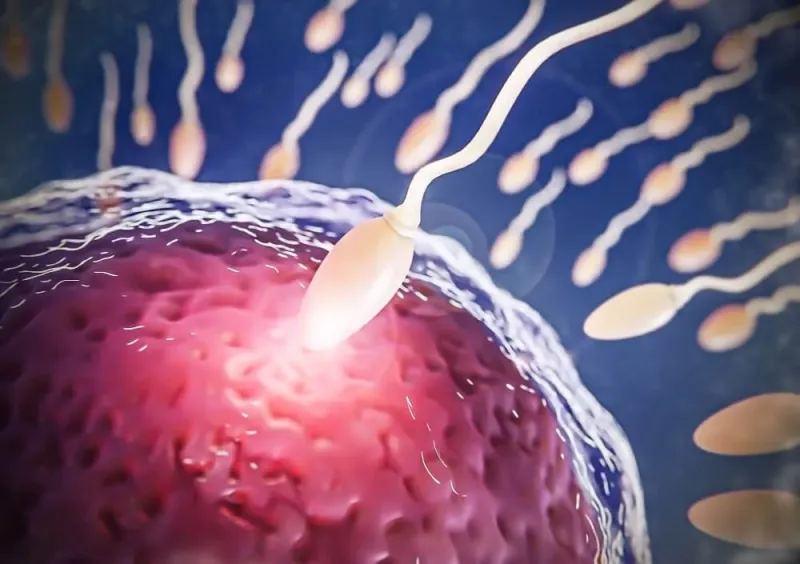
Sperm is the male reproductive cell and consists of a head, neck, and tail that can be seen under a microscope. The head of the sperm contains the male genetic material, i.e., DNA; the mitochondria in the neck region produce the energy needed for the sperm's movement; and the tail gives the sperm its ability to move. Sperm is produced in the seminiferous tubules of the testes, and it takes approximately 64-74 days to produce a mature sperm. Sperm is transported to the female reproductive system through semen during ejaculation. Sperm can only survive and move within semen, meaning the nutritional value and protective quality of semen is very important for the sperm to reach the egg.
What Are the Differences Between Semen and Sperm?
Sperm are male reproductive cells found within semen, while semen is the fluid that carries these reproductive cells. Sperm directly enables fertilization, while semen provides the chemical and physical environment necessary for sperm to survive, move forward, and be protected in the vaginal environment. While semen consists of fructose, alkaline pH-regulating substances, proteins, enzymes, and nutrients, sperm consists of DNA, the acrosome (a structure located in the head that contains enzymes), and the organelles needed for movement.
What Are the Differences Between Semen and Pre-Ejaculate (Pre-cum)?
Pre-ejaculate (pre-cum) is a clear fluid secreted by Cowper's glands (bulbourethral glands) during sexual arousal. Pre-cum is secreted to lubricate the urethra and neutralize acidic urine residues. Pre-ejaculate is generally not as dense as semen and normally contains no sperm or may contain a small amount of sperm. The volume of pre-ejaculate fluid varies from person to person.
What Is Semen Used For?
Semen serves to help expel sperm from the body and transport it to the female reproductive system. One or more of the sperm transmitted through semen helps fertilize the woman's egg and begin the process of fetal development. Semen is alkaline in nature, and by partially neutralizing the acidic environment of the female reproductive tract, it creates a more favorable environment for sperm. Secretions from the seminal vesicles and prostate gland regulate the volume and pH of semen, helping sperm to pass easily through the cervix and uterine canal.
What Does Semen Contain?
Semen is a complex fluid consisting of sperm, fructose, alkaline enzymes, proteins, various hormones, cytokines, ions, and nutritional elements. Fructose from the seminal vesicles is the energy source for sperm and constitutes approximately 65% to 75% of the semen volume. The fluid secreted by the prostate gland provides enzymes that affect the alkalinity and liquefaction of semen. Semen fluid also contains prostaglandins, amino acids, vitamins, zinc, and other minerals, and these components support the sperm's ability to remain viable and maintain its function.
Why Do Differences in Semen Color Occur?
Semen color is generally opaque white and can sometimes be yellowish. Differences in semen color can stem from different underlying problems or factors. In particular, semen color that is noticeably yellow may indicate inflammation or infection, while semen color that turns pink may be related to bleeding. In general, semen color can vary depending on the person's hydration status, general health, and the time elapsed since the last ejaculation. Some medications, vitamins, or consumed foods can cause changes in semen color, but these are not permanent. If any color change in semen is accompanied by pain, fever, problems during urination, or problems during sexual intercourse, medical help should be sought.
How Does Semen Affect Fertility?
The quality and content of semen is the fundamental factor that directly affects male fertility. Semen quality is determined based on the number of sperm in it, sperm motility, sperm morphology (shape), and semen volume, and these factors determine the pregnancy status. Watery or clearer than normal semen indicates low sperm density, and watery semen can occur due to the following problems:
- Frequent ejaculation
- Retrograde ejaculation
- Varicocele
- Zinc deficiency
- Low sperm count
The pH, viscosity (sticky consistency), and nutrient content level of semen fluid are very important for sperm quality, and changes that may occur in semen fluid directly affect sperm quality. Semen quality must be high enough to enable sperm to reach the egg.
Frequently Asked Questions About Semen
Where Is Semen Produced?
Semen is produced in the seminal vesicles and prostate gland, mixing with sperm from the testes and being expelled from the penis. Semen contains 65%-75% fluid from the seminal vesicles, 25%-30% fluid from the prostate, and 1%-5% sperm from the testes.
Is Semen Rich in Protein?
Semen is rich in protein but is not a source of protein. The amount of protein in approximately one teaspoon of semen is less than approximately 0.1 grams.
What Happens If Semen Is Not Ejaculated?
If semen is not expelled through ejaculation, it does not accumulate in the body and is generally reabsorbed by the body, which is completely natural. Sperm produced in the testes break down when not used or expelled for a certain period of time, and the body breaks these cells down into their proteins and components for reuse.
Is Semen Clean?
Semen in a healthy man is clean enough to be considered sterile because it is produced in a closed system and does not come into contact with bacteria, but it can become contaminated after leaving the body. However, semen is a carrier for sexually transmitted diseases, and if the man has a disease, his semen may also contain the disease.
Do Semen and Urine Exit Through the Same Channel?
Yes, semen and urine exit through the same channel but cannot exit at the same time. The urethra is a channel that serves both the urinary system and the male reproductive system. During ejaculation, the internal sphincter muscle between the prostate and bladder contracts, closing the urinary pathway, so semen does not mix with urine as it passes through the urethra.
What Is the Ideal Amount of Semen?
The ideal amount of semen is considered to be between 2 ml and 5 milliliters, which is about a teaspoon, but the amount of semen varies depending on age, hydration status, frequency of sexual activity, and hormonal balance.
Creation Date:28.07.2026
Update Date:28.07.2026
Created by:Medipol Health Group Web Editorial Board