
Summarize This Content with Artificial Intelligence (AI):
What Is Cholesterol?
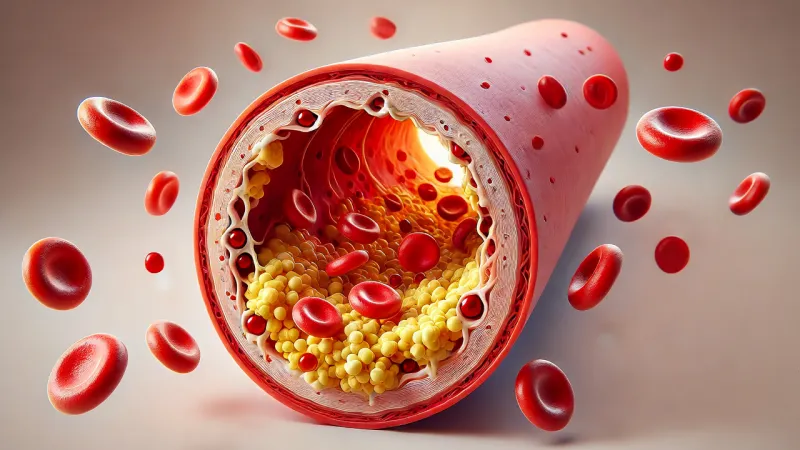
Cholesterol is a waxy fat produced by the liver that is essential for building cell membranes and for the synthesis of vitamin D and hormones. The human body produces about three-quarters of its daily cholesterol from egg yolks and animal products.While the body needs a certain level of cholesterol to function properly, high concentrations of cholesterol in the blood, especially LDL, also known as "bad cholesterol," can build plaque on the walls of arteries, increasing the risk of atherosclerosis, heart attack, and stroke. On the other hand, HDL, known as "good cholesterol," collects excess cholesterol from tissues and transports it to the liver, helping to eliminate it from the body. This helps protect cardiovascular health. Therefore, cholesterol levels should be kept in balance. LDL levels should be as low as possible, while HDL levels should be at an adequate level.
Fill out the form to get information.
What Are The Different Types of Cholesterol?
Cholesterol is a fat-like substance in the body that plays a role in many functions, from maintaining cell structure to hormone production. There are three main types of cholesterol, depending on how they are transported in the blood: low-density lipoprotein (LDL), high-density lipoprotein (HDL), and very low-density lipoprotein (VLDL). These types of cholesterol perform different functions in the body and have various effects on health. Maintaining balanced cholesterol levels is critical for preventing cardiovascular disease. Each type of cholesterol can carry different risks to the cardiovascular system. The types of cholesterol are listed below:
- Low-Density Lipoprotein (LDL) - Bad Cholesterol
- High-Density Lipoprotein (HDL) – Good Cholesterol
- Very Low Density Lipoprotein (VLDL)
What Is Bad Cholesterol?
LDL carries cholesterol from the liver to tissues and blood vessels. Elevated LDL levels in the blood can lead to cholesterol buildup and plaque formation on the walls of blood vessels. This can cause vascular blockage, hardening, and consequently serious illnesses such as heart attack or stroke.
What Is Good Cholesterol?
HDL collects excess cholesterol that accumulates in the blood vessels and transports it to the liver for elimination from the body. Thanks to this function, HDL plays a protective role in blood vessels and helps reduce the risk of heart disease.
What is Very Low-Density Lipoprotein (VLDL)?
VLDL carries triglycerides produced in the liver to body tissues. Excess VLDL, like LDL, can cause plaque buildup on the walls of blood vessels. This can have negative effects on the circulatory system.
What is High Cholesterol?
One of the most important factors in raising cholesterol levels is unhealthy eating habits. Frequent consumption of foods high in saturated and trans fats, in particular, increases levels of bad cholesterol (LDL), leading to its accumulation in the walls of blood vessels. This situation predisposes to serious vascular diseases such as atherosclerosis. Being overweight also disrupts the body's fat metabolism, leading to elevated cholesterol levels. A sedentary lifestyle further increases this risk.
Genetic factors should not be overlooked; individuals with a family history of hypercholesterolemia may have high cholesterol levels even at a young age. Smoking also lowers HDL, or good cholesterol, thereby strengthening the harmful effects of LDL on the arteries. Each of these factors contributes to uncontrolled increases in cholesterol levels, making regular blood tests vital for monitoring.
What Should Cholesterol Levels Be?
Cholesterol is a fat-like substance that needs to be present in the body at certain levels. Maintaining balanced levels of total cholesterol, LDL (bad cholesterol), HDL (good cholesterol), and triglycerides is crucial for cardiovascular health. High or low cholesterol levels can pave the way for serious health problems such as heart disease and clogged arteries. Therefore, it is recommended to check cholesterol levels at regular intervals and keep them within the ideal range.
| Type of Cholesterol | Ideal Value | High Risk Range |
| Total Cholesterol | Below 200 mg/dL | 240 mg/dL and above |
| LDL (Bad Cholesterol) | Below 100 mg/dL | 160 mg/dL and above |
| HDL (Good Cholesterol) | 60 mg/dL and above | 40 mg/dL for men, below 50 mg/dL for women |
| Triglycerides | Below 150 mg/dL | 200 mg/dL and above |
What is Good For Cholesterol?
Lowering bad cholesterol (LDL) levels and protecting heart health requires making some important changes to your diet. Consuming fatty fish rich in omega-3 fatty acids several times a week helps reduce LDL cholesterol while also lowering triglyceride levels and regulating heart rhythm. Foods rich in fiber, such as oats, barley, and beans, are effective in lowering cholesterol due to their soluble fiber content.
Vegetables like eggplant and okra also play a supportive role due to their low calorie and high fiber content. Yogurt and buttermilk, which contain probiotics, contribute to the digestive system while also helping to balance cholesterol levels. The whey protein found in dairy products also supports cholesterol regulation. Nuts such as walnuts, almonds, and hazelnuts, when consumed in moderation, can also help lower LDL cholesterol.
Additionally, using vegetable oils such as sunflower or olive oil instead of butter in cooking is important for cholesterol control. Fruits like apples, grapes, strawberries, and citrus fruits have a positive effect on cholesterol due to their pectin content, which lowers LDL. In addition to all these dietary recommendations, adopting an active lifestyle helps keep cholesterol levels balanced. Foods that are good for cholesterol are listed below:
- Fatty fish containing omega-3 (salmon, mackerel, sardines)
- Whole grains such as oats and barley
- Beans and similar legumes
- Eggplant and okra
- Probiotic dairy products such as yogurt and buttermilk
- Dairy products containing whey protein
- Nuts such as walnuts, almonds, and hazelnuts
- Vegetable oils such as sunflower, olive, and canola.
- Apples, grapes, strawberries, and citrus fruits.
What are the Symptoms of High Cholesterol?
When cholesterol levels rise, the first symptoms often noticed include xanthelasmas, which appear as yellow fatty deposits around the eyelids; numbness and pain in the legs while walking or during the day; sometimes a burning sensation; and chest pain, which can manifest as angina, especially due to restricted blood flow to the heart caused by cholesterol buildup. High cholesterol can narrow blood vessels, making it difficult for the heart and other organs to receive adequate nourishment. This can result in symptoms such as shortness of breath, weakness, fatigue, and dizziness.
Other symptoms may include pale skin, slower-than-normal wound healing, and nausea. Very high LDL (bad cholesterol) levels can also increase the risk of hypertension and stroke. Cholesterol symptoms are listed below:
- Yellow fat deposits on and around the eyelids.
- Chest pain (angina)
- Speech disorder
- Tingling and pain in the legs
- Hypertension
- Slow wound healing
- Dizziness
- Nausea
- Constant fatigue and weakness
- Shortness of breath
- Pale skin
How is High Cholesterol Diagnosed?
A lipid panel test, used to determine cholesterol levels, is performed with a simple blood sample. This test provides detailed information on total cholesterol, LDL cholesterol, HDL cholesterol, and triglyceride levels. After a blood sample is taken, it is sent to a laboratory for analysis. To ensure accurate results, you may be asked to refrain from eating or drinking anything for approximately 12 hours before the test. An LDL cholesterol level above 190 mg/dL is considered high cholesterol. An LDL value above 160 mg/dL, if the individual has a risk factor, is also considered high.
High cholesterol can also be diagnosed when LDL cholesterol levels exceed 130 mg/dL and two separate risk factors are present. The main risk factors considered for high cholesterol are:
- Being over 45 years old for men and over 55 years old for women.
- Family history of atherosclerotic heart disease
- Hypertension
- Diabetes
- Smoking
- Low HDL cholesterol
Can Cholesterol Show Up In A Blood Test?
Cholesterol is a fat-like substance found in all cells in the body. LDL levels, a significant risk factor for heart disease, are determined by an LDL cholesterol test, which measures its amount in the blood. This test is performed using a blood sample. LDL is a type of protein synthesized in the liver and transported throughout the body via the bloodstream. In some individuals, high LDL levels build up in the blood vessels, increasing the risk of heart disease. Therefore, LDL cholesterol testing is an important screening method for the early detection of cardiovascular diseases.
How Is High Cholesterol Treated?
High cholesterol is a significant health problem that increases the risk of heart disease, heart attack, and stroke. This increased risk is often due to atherosclerosis (hardening of the arteries). Controlling cholesterol levels can reduce the likelihood of developing these serious diseases. Before starting treatment, a blood test called a lipid profile (lipid panel) measures total cholesterol, LDL (bad cholesterol), HDL (good cholesterol), and triglyceride levels. Then, the patient's current health status is assessed. Factors such as diabetes, hypertension, family history of heart disease, and lifestyle are examined in detail. Based on this assessment, a personalized cholesterol treatment plan is created.
The Importance of Lifestyle in Cholesterol Treatment
The first step in treatment is usually lifestyle changes. These changes primarily include healthy diet, avoiding saturated and trans fats, quitting smoking, reducing alcohol consumption, engaging in age-appropriate exercise, and losing excess weight. In patients who cannot reach their target cholesterol levels despite lifestyle changes, or who have a genetically inherited family history of high cholesterol, drug treatment may be initiated. The most commonly used group of drugs is statins. Statins reduce the risk of heart attack and stroke by decreasing cholesterol production in the liver. In addition to statins, supportive treatments such as fibrates, which reduce triglycerides and increase HDL, ezetimib, which reduces cholesterol absorption, cholestyramine, which reduces cholesterol production by binding bile acids, and omega-3 fatty acids may also be used.
Duration of Medication Use in Cholesterol Treatment
It is recommended to have a follow-up blood test approximately three months after starting cholesterol treatment. If the desired levels are not reached, the treatment is reviewed, and if necessary, the medication dosage is increased or the effectiveness of the diet is improved. If treatment is effective, follow-ups should be done after six months and then annually. In individuals with a history of vascular disease, diabetes, high blood pressure, or those with a high genetic risk, cholesterol medication may be lifelong. However, patients without risk factors and whose cholesterol levels return to normal with lifestyle changes can be monitored without medication. In any case, regular follow-up is of great importance. Considering the long-term risks that cholesterol can pose, it is essential not to neglect check-ups.
What Should People With High Cholesterol Avoid Eating?
Individuals with high cholesterol should especially avoid foods high in saturated and trans fats. Processed meats (sausage, salami, hot dogs), full-fat dairy products, fried foods, and ready-made pastries fall into this category because these foods increase LDL cholesterol, paving the way for clogged arteries. Furthermore, instead of animal fats like butter and lard, options containing unsaturated fatty acids, such as olive oil, should be preferred. To maintain cholesterol balance, it is also recommended to avoid sugary foods and refined carbohydrates such as white bread and rice, as these foods indirectly negatively affect cardiovascular health by raising triglyceride levels.
Individuals with high cholesterol should also avoid fast food, margarine, and packaged snacks because their trans fat content lowers HDL (good cholesterol) while increasing LDL (bad cholesterol). Cholesterol patients should not consume the following foods:
- Processed meat products such as sucuk, salami, and sausage
- Whole milk and dairy products (butter, cream, whipped cream, full-fat cheese)
- Fried foods and dishes made with frying oil
- Packaged foods containing margarine and trans fats (ready-made cookies, crackers, wafers)
- Animal fats containing saturated fats, such as butter and tallow.
- Fast food products (hamburgers, french fries, nuggets, etc.)
- Sugary foods and drinks (carbonated drinks, sweets, cakes)
- Refined carbohydrates (white bread, white rice, pasta)
Which Medical Specialty Examines Cholesterol?
The Internal Medicine department handles the diagnosis and treatment of many health problems, such as high cholesterol. Internal medicine is one of the fundamental branches of medicine that deals with diseases affecting the internal organs. The Internal Medicine department also deals with high blood pressure (hypertension), diabetes, chronic diseases, upper and lower respiratory tract infections, thyroid disorders, and kidney diseases.
Frequently Asked Questions About Cholesterol
Below is a list of frequently asked questions and answers about cholesterol.
What Causes High Cholesterol in Young People?
High cholesterol levels at a young age can be caused by genetic predisposition, metabolic syndrome, obesity, unhealthy diet, sedentary lifestyle, or thyroid or kidney diseases.
How to Measure Cholesterol at Home?
Cholesterol levels cannot be measured at home using laboratory kits. For accurate results, a lipid panel must be performed in a laboratory using a fasting blood sample.
What should LDL cholesterol levels be?
The ideal LDL cholesterol level is below 100 mg/dL, with 100–129 mg/dL considered normal. 130–159 mg/dL is considered borderline high, and 160 mg/dL and above is considered high.
What should the LDL and HDL ratio be?
HDL (good cholesterol) should be above 55 mg/dL in women and above 45 mg/dL in men. LDL should be lowered to below 130 mg/dL. Both low HDL and high LDL are risky.
What LDL Cholesterol Level Necessitates Medication?
If lifestyle changes are insufficient and LDL levels are typically 160 mg/dL or higher due to genetic or risk factors, medication may be necessary. The target may be lower in patients with heart disease.
Can Cholesterol Cause Back Pain?
High cholesterol often causes no symptoms and does not cause back pain; back pain is not a typical symptom associated with cholesterol.
Does Cholesterol Cause Itching?
High cholesterol does not cause itching. Itching is not a direct symptom of high cholesterol.
Does Cholesterol Cause Sweating?
High cholesterol does not cause sweating. Sweating is not a symptom specific to high cholesterol.
Can High Cholesterol Cause Drowsiness?
High cholesterol alone does not cause drowsiness. Drowsiness is not a typical symptom of high cholesterol.
How Do We Know If Our Cholesterol Has Dropped?
The only reliable way to know if cholesterol has dropped is through a blood test and lipid panel. There are no other clinically significant symptoms to monitor it.
What is the Fastest Way to Lower Cholesterol?
The fastest way to lower cholesterol is to adopt a healthy lifestyle by limiting saturated and trans fats, consuming fiber-rich and omega-3 fatty acid-rich foods, and exercising regularly.
Which Foods Lower Cholesterol?
Fatty fish like salmon and mackerel; oats and whole grains; beans and legumes; and fibrous fruits like apples, pears, and strawberries help lower cholesterol.
How Does Good Cholesterol Increase?
To increase HDL levels, effective methods include consuming fatty fish two to three times a week, regular exercise, healthy fat sources (olive oil, avocado, walnuts), and avoiding smoking.
What is Cholesterol's Biggest Enemy?
The biggest enemy in lowering cholesterol is avoiding foods containing saturated and trans fats. Margarine, fast food, fried foods, and full-fat dairy products particularly raise LDL cholesterol.
Does Lemon Water Help with Cholesterol?
There is no scientific evidence to support the claim that drinking lemon water directly lowers cholesterol.
Is Walnut Water Good for Cholesterol?
Walnuts themselves, as a source of omega-3, can be beneficial in lowering LDL levels.
Does the Liquid From Yogurt Lower Cholesterol?
Fermented dairy products like yogurt or kefir, when consumed in low-fat versions, can help balance cholesterol levels. However, scientific data on the whey from yogurt is not currently available.
What Fruits are Good for Cholesterol?
Fruits high in fiber and antioxidants, such as apples, pears, grapes, strawberries, grapefruit, blackberries, raspberries, and citrus fruits, help lower LDL cholesterol.
Does Drinking Water Lower Cholesterol?
While drinking water is essential for overall health, there is no proven specific effect on lowering cholesterol levels.
Does Bread Raise Cholesterol?
Whole-grain, high-fiber breads can help lower cholesterol, but white, refined breads, even if they don't contain saturated fat, don't have the same positive effect due to their lack of fiber. They have no cholesterol-raising effect.
Does Rice Pilaf Raise Cholesterol?
Rice pilaf does not automatically raise cholesterol. While using white rice instead of whole rice may be detrimental to overall nutritional quality due to its lower fiber content, it does not directly increase cholesterol.
Does Chocolate Raise Cholesterol?
Dark chocolate (70% or more cocoa) is known to have antioxidant effects and may help lower LDL cholesterol. High-sugar milk chocolates, however, have negative effects.
Does Eating Sweets Raise Cholesterol?
Refined sugar and high glycemic index sweets do not directly raise cholesterol, but they can indirectly disrupt lipid balance by increasing insulin resistance and triglycerides.
Does Chicken Meat Raise Cholesterol?
Skinless, lean chicken, when consumed in moderation, does not raise cholesterol levels; white meat is recommended in a balanced diet.
Do Black Olives Raise Cholesterol?
Consuming a few olives a day can lower LDL cholesterol. Black olives, when consumed in moderation, help maintain acceptable cholesterol levels.
Do Pickles Raise Cholesterol?
Pickles do not naturally contain cholesterol, and there is no scientific evidence that they raise cholesterol levels.
Do Potatoes Raise Cholesterol?
Because potatoes are low in fiber, they don't directly raise cholesterol; however, if consumed with plenty of fat and sugar, they can have indirect effects.
Does Eating Pasta Raise Cholesterol?
Refined pasta, as opposed to whole grain pasta, does not raise cholesterol; however, its consumption with saturated fats and sauces can negatively impact the lipid profile.
Does Buttermilk Raise Cholesterol?
Low-fat buttermilk does not raise cholesterol; however, excessive consumption of full-fat dairy products can have a negative impact on LDL levels.
Does Boiled Meat Raise Cholesterol?
Lean, boiled meat does not directly raise cholesterol levels. The type of meat and the cooking method are important in terms of its effect on lipids.
Does Butter Raise Cholesterol?
Butter can increase LDL cholesterol levels due to its saturated fat content. It is recommended to consume it in moderation.
Does Eating Potato Chips Raise Cholesterol?
Processed foods like potato chips, which contain trans and saturated fats, can raise LDL cholesterol and damage vascular health in the long term.
Does Sunflower Oil Raise Cholesterol?
Since sunflower oil contains monounsaturated fatty acids, its negative effect on LDL is limited when consumed in moderation. For cardiovascular health, it is advisable to prefer vegetable oils.
Does Honey Raise Cholesterol?
Honey is a natural sugar and doesn't directly raise cholesterol, but excessive consumption can affect triglyceride levels. This can indirectly contribute to a deterioration in the lipid profile.
Does Tahini and Molasses Raise Cholesterol?
Tahini and molasses contain fiber, minerals, and healthy fats. When consumed in moderation, they do not raise cholesterol; on the contrary, their antioxidant effects can positively contribute to lipid balance.
Does Sausage Raise Cholesterol?
Processed meats like sausage are high in saturated fat and cholesterol, which can increase LDL levels.
Do Boiled Eggs Cause High Cholesterol?
When consumed in moderate amounts, boiled eggs generally do not significantly affect cholesterol levels. They are also a source of protein in a balanced diet.
Do Eggs Raise Cholesterol?
When consumed in moderation, eggs do not significantly increase LDL levels. They are a balanced protein source for most people, but should be evaluated according to individual risk factors.
Does Coffee Raise Cholesterol?
Drinking more than 3-4 cups of coffee a day can negatively affect cholesterol levels and trigger stress and sleep disturbances, which can indirectly contribute to lipid imbalance.
Does Stress Raise Cholesterol?
Chronic stress causes an increase in cortisol, which in turn raises LDL and triglyceride levels through increased appetite and abdominal fat accumulation.
Creation Date:09.03.2026
Update Date:09.03.2026
Created by:Medipol Health Group Web Editorial Board