
Summarize This Content with Artificial Intelligence (AI):
TUR-P (Transurethral Resection of the Prostate) is the standard surgical procedure performed using a minimally invasive (closed) technique to relieve difficulty in urination caused by benign prostatic hyperplasia (BPH). During the operation, excess prostate tissue is removed through the urethra, requiring no external incision, and in most patients, urinary flow and quality of life improve rapidly.
Known as closed prostate surgery, TUR-P is an effective and safe treatment option that reduces the risk of bleeding and shortens hospital stay.
What Is TUR-P Surgery?
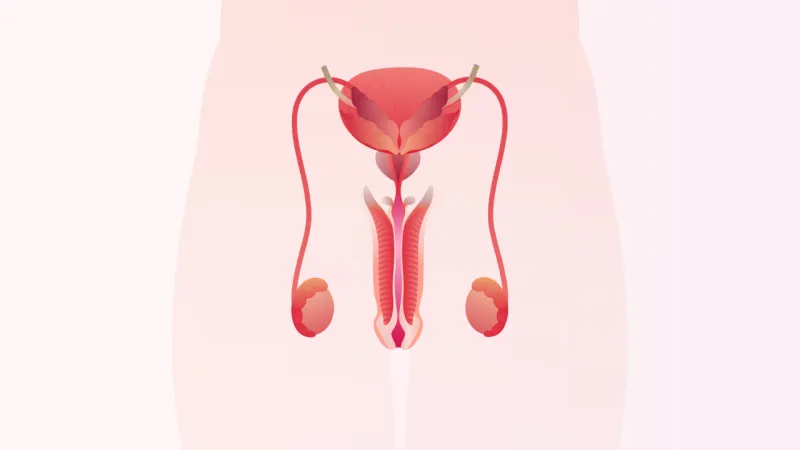
The prostate is a small gland that is part of the male reproductive system and plays a role in the formation of semen. Transurethral Resection of the Prostate (TUR-P) is a procedure in which part of the prostate gland is surgically removed.
This method is commonly used to relieve symptoms such as difficulty urinating due to prostate enlargement or benign prostatic hyperplasia (BPH). TUR-P is the most frequently used surgical method in the treatment of benign prostate enlargement.
During TUR-P, a thin surgical instrument is inserted through the urethra and a portion of the prostate tissue is removed. This procedure relieves the obstruction in the middle part of the prostate and allows urine to pass more easily.
Although it is generally preferred for non-cancerous conditions, it can also be used in some cases of prostate cancer. Approximately 95% of surgeries performed for benign prostatic hyperplasia (BPH) are TUR-P procedures. The hospital stay after surgery is usually three to four days.
Fill out the form to get information.
What Are The Benefits of TUR-P Surgery?
Transurethral Resection of the Prostate (TUR-P) is an effective treatment method for men experiencing moderate to severe urinary problems that do not improve with medication.
This surgical method is used to alleviate urinary complaints associated with benign prostatic hyperplasia (BPH), or benign prostate enlargement.
TUR-P can reduce symptoms such as frequent urination, sudden urge to urinate, difficulty starting urination, weak or interrupted urine flow, frequent nighttime urination, and feeling of incomplete bladder emptying. It can also prevent urinary tract infections that may result from this condition.
The benefits of TUR-P surgery are listed below:
- It is performed without the need for open surgery.
- It eliminates urinary complaints.
- It significantly improves quality of life.
- It removes blockages in the urinary tract.
- It provides a shorter recovery time.
- It reduces the length of hospital stay.
- It offers the possibility of a faster return to daily life.
What Are The Risks Of TUR-P Surgery?
TUR-P (Transurethral Resection of the Prostate) surgery can significantly reduce urinary problems associated with prostate enlargement. However, as with any surgical procedure, this method may have some unwanted side effects.
The most common conditions encountered after TUR-P surgery include bleeding and retrograde ejaculation.
The risks of TUR-P surgery are listed below:
- Persistent urinary symptoms
- Erectile dysfunction (erection problems)
- Urethral stricture (obstruction of urine flow)
- Urinary incontinence
- Infertility
What Are The Complications That May Develop After TUR-P Surgery?
TUR-P surgery, like any surgical procedure, may involve certain potential risks. These risks include bleeding, infection, urinary tract stricture, urinary incontinence, erectile dysfunction, retrograde ejaculation, and TUR syndrome.
These complications are generally rare. The risk of complications is significantly reduced when TUR-P surgery is performed by an experienced urologist.
Rare complications that may occur after TUR-P surgery include:
- Bleeding
- Infection
- Urinary tract stricture
- Urinary incontinence
- Erectile dysfunction
- Retrograde ejaculation (backward flow of semen)
- TUR syndrome
How Is TUR-P Surgery Performed?
During TUR-P (Transurethral Resection of the Prostate) surgery, the patient is administered general or spinal anesthesia, and a special device called a resectoscope is inserted through the urinary tract. The enlarged prostate tissue is then cut into pieces and removed.
Currently, the most commonly preferred method is the bipolar (Plasma Kinetic) TUR system. In this system, the electric current does not pass through the patient's body, so it can be used safely even in patients with pacemakers.
While the prostate tissue is being cut, bleeding is stopped at the same time with the help of the device. The pieces accumulated in the bladder are removed with a vacuum system. After the procedure is completed, a catheter is placed in the patient's urinary tract and is usually kept in place for 1-3 days.
Since TUR-P surgery does not require incisions in the body, the recovery process is quite fast. Patients can usually drink fluids and eat within a few hours after surgery and return to their normal daily lives the next day.
What Should Be Considered After TUR-P Surgery?
After TUR-P surgery, the surgical site should be kept hygienic, and strenuous activities such as excessive physical activity or sports should be avoided. Activities such as driving or cycling are not recommended for the first 1-2 weeks after surgery.
A urinary catheter may be used and bladder irrigation may be performed in the first few days after surgery. During this period, it is important to drink plenty of fluids, rest, avoid constipation, and stay away from foods that cause gas.
Heavy lifting should be avoided for 4 to 6 weeks after surgery, and sexual intercourse should be avoided. In addition, bleeding in the urine or blood in the semen may be seen after the first sexual intercourse.
Things to consider after TUR-P surgery are listed below:
- Drink plenty of fluids and make sure your urine is clear.
- Do not lift heavy objects or engage in strenuous exercise during the first few days.
- Consume fiber-rich foods to prevent constipation.
- Avoid sexual intercourse for 4-6 weeks.
- A small amount of blood may be seen in the urine.
- Urinary incontinence may be temporary after the catheter is removed.
- Do not drive or ride a bicycle for the first 1-2 weeks after surgery.
Who Is TUR-P Surgery Performed On?
Benign prostatic hyperplasia (BPH), commonly seen in men aged 50 and over, can cause symptoms such as difficulty urinating, frequent urination, and incomplete bladder emptying.
In this case, TUR-P surgery, an effective surgical treatment option aimed at regulating urine flow and improving quality of life, may be performed.
How Long Does TUR-P Surgery Take?
TUR-P surgery, which usually takes 60 to 90 minutes, is an effective method frequently used in the treatment of urinary obstruction associated with prostate enlargement.
Which Department Performs TUR-P Surgery?
The urology department performs and follows up on TUR-P surgery (transurethral resection of the prostate).
Frequently Asked Questions About TUR-P Surgery
Questions and answers about transurethral resection of the prostate (TUR-P) surgery are listed below.
What Is The Difference Between HoLEP And TUR-P?
TUR-P and HoLEP are surgical methods used to treat urinary problems associated with prostate enlargement. HoLEP stands out as a modern alternative with less bleeding and a shorter recovery time.
Will Urinary Incontinence Go Away After TUR-P Surgery?
Inability to urinate after prostate surgery is rare. It usually occurs due to clots or edema in the bladder. The problem usually resolves with short-term catheterization and medical treatment.
Is TUR-P Good For The Prostate?
TUR-P surgery is a procedure in which the part of the prostate that blocks the urinary tract is removed using an endoscopic method. This method, which does not require open surgery, resolves urinary problems and improves quality of life.
How Long Does Recovery Take After TUR-P Surgery?
The hospital stay after TUR-P surgery is usually 2-3 days, and full recovery occurs within an average of 4-6 weeks.
What Are The Normal Conditions That May Occur After TUR-P Surgery?
During the recovery process, burning during urination, slight bleeding, and temporary urinary incontinence may occur. In some patients, short-term catheterization may be necessary due to inability to urinate.
Creation Date:06.04.2026
Update Date:06.04.2026
Created by:Medipol Health Group Web Editorial Board