
Summarize This Content with Artificial Intelligence (AI):
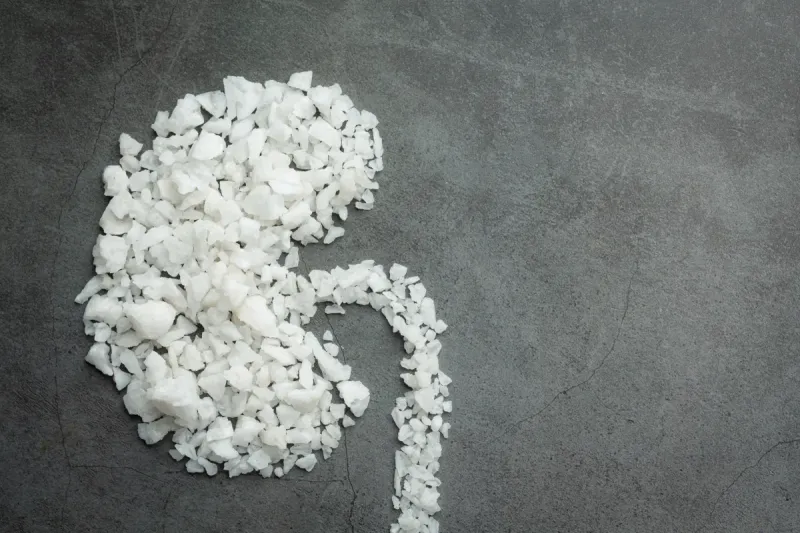
Kidney sand is small stones formed over time by the aggregation of mineral and salt crystals accumulated in the kidneys. This condition can develop due to fluid imbalance in the body, insufficient water intake or certain dietary habits. Kidney sand can present with symptoms such as pain in the urinary tract, burning sensation and frequent urination. If not detected early and preventive measures are not taken, it can lead to kidney stones.
What is Passing Kidney Sand?
Passing kidney sand is the process in which very small mineral and salt crystals accumulated in the kidneys are expelled from the body through the urinary tract. These stones usually form when substances such as calcium, uric acid and phosphate become concentrated; over time, they come together and form millimeter-sized particles called kidney sand. This process is considered the early stage of kidney stones and the body can naturally pass the sand on its own most of the time.
The process of passing kidney sand is a natural one, however, factors such as insufficient water intake, a diet high in salt and protein and excessive sweating can increase the risk of kidney sand formation. When detected early and adequate fluid intake is ensured, kidney sand is usually passed naturally. However, if the process of passing kidney sand lasts a long time or the pain becomes severe, it is necessary to consult a urology department.
Fill out the form to get information and make an appointment
What Are The Symptoms Of Passing Kidney Sand?
Symptoms of passing kidney sand are usually felt during or after urination. These symptoms may vary from person to person and can occur with different levels of severity. Some people go through this process with mild discomfort, while others may experience more pronounced pain and urinary problems. The common symptoms are:
- Sudden and severe pain occurring in lower back, kac and/or inguinal region
- Burning sensation during urination
- Frequent urination
- Cloudy urine or blood in urine
- Feeling of discomfort in lower abdomen and genital region
- Difficulty while urinating or incomplete emptying of the bladder
In some patients, symptoms like nausea, vomiting, malaise and fever can develop. In this case, inflammation or infection may have developed in kidney and requires medical Intervention.
What Are The Symptoms Of Passing Kidney Sand in Women?
In women, the symptoms of passing kidney sand are the same as those seen in men. However, the symptoms can sometimes be confused with other gynecological conditions. In particular, sudden onset pain in the lower back and groin that comes in waves and intensifies can be a key indicator. Other symptoms are:
- Burning or stinging during urination
- Frequently feeling the need to urinate
- Nausea and vomiting
- Cloudy urine or blood in urine
- Discomfort or pressure sensation in lower abdomen region
- Fever and trembling
What Causes Sand In Kidney?
The cause of kidney sand formation is the accumulation of minerals and salts in the body. Normally, the kidneys filter these substances and excrete them through urine. However, when the body does not receive enough water, these minerals become concentrated and form millimeter-sized crystals. With time, these crystals combine and become kidney sand.
The most common cause of kidney sand formation is insufficient water intake. When sufficient fluids are not consumed during the day, urine becomes more concentrated, which allows minerals such as calcium, oxalate, and uric acid to crystallize. Generally, if water intake is low, this process accelerates further. Especially in people who live in hot climates or sweat a lot, this risk is higher.
Other causes of kidney sand formation are:
- Excessive consumption of foods high in salt, protein or oxalates (such as spinach, tea, chocolate, and nuts)
- Excessive caffeine intake
- Genetic predisposition
- Metabolic diseases (like gout, hypercalciuria)
- Urinary tract infections
- Prolonged usage of certain medications
- Sedentary life style
- Eating irregularly
- Holding urine for a long time
- Frequently repeating infections
- Excessive D vitamin and calcium usage
Warning!
Passing kidney sand usually resolves on its own; however, if the following symptoms are present, urgent medical attention is required:
- Severe, persistent pain
- Blood in urine or inability to urinate
- Fever, trembling or nausea-vomiting
- Having a single kidney or kidney disease history
How Is Kidney Sand In Kidney Diagnosed?
The diagnosis of kidney sand is made by evaluating the patient’s detailed medical history, physical examination and laboratory/imaging tests together. The most commonly used methods in diagnosis are urine and blood tests With urine test, calcium, oxalate and uric acid levels in urine are evaluated. Blood test is performed to evaluate kidney functions. Creatinine and urea values are checked.
Another method for diagnosis is ultrasound. Ultrasound can visualize small crystal or stone formations in the kidneys in a painless and radiation-free way. When a more detailed imaging is requested, CT, MRI urography or endoscopy may be preferred.
What Is Good For Passing Kidney Sand?
Passing kidney sand occur spontaneously most of the time. In addition to medical treatments carried out under a doctor’s supervision, some simple daily habits can also help make passing kidney sand easier. In this way, it is possible to make the process both more comfortable and shorter. These are the best methods for passing kidney sand:
- Drinking plenty of water: Drinking enough water throughout the day makes it easier to pass kidney sand. At least 2-3 liters of water should be consumed daily.
- Drinking lemon water: The citrate found in citrus fruits such as lemons and oranges helps prevent stone formation. Drinking a glass of warm lemon water in the morning may be beneficial.
- Drinking herbal tea: Herbal teas such as corn silk, cherry stem, chamomile and nettle have diuretic properties. This causes kidneys to work faster and supports passing kidney sand. (However, if you have a chronic disease or medication usage, consult a doctor).
- Moving around: Light walks or brisk activities can increase urine flow and help facilitate the passing of kidney sand.
How Is Kidney Sand Treated?
The treatment method for kidney stones varies depending on the size, location and cause of the stone. Small stones that can be passed through urine usually do not require surgical intervention.
In such cases, drinking plenty of water, using pain-relief medications and resting as recommended by a doctor are often sufficient. However, if the stone blocks the urinary tract, causes infection or leads to severe pain, medical intervention or surgical treatment may be necessary.
Frequently Asked Questions About Passing Kidney Sand
What Color Is the Urine While Passing Kidney Sand?
During the passing of kidney sand, urine is often cloudy, dark yellow or may appear reddish due to the presence of blood.
When Does Kidney Sand Pass?
The time it takes to pass kidney sand varies from person to person and usually lasts from a few days to a few weeks.
What Should A Person Passing Kidney Sand Avoid Eating?
A person passing kidney sand should avoid foods that are high in salt, excessive protein and oxalates (such as spinach, chocolate, and nuts).
What Happens If Kidney Sand Is Not Treated?
If left untreated, kidney sand can cause blockage in the kidneys and urinary tract, infection or kidney damage.
How Long Does Passing Kidney Sand Take?
The process of passing kidney sand usually lasts between 3 and 10 days; however, this period may be longer depending on the size and location of the stone.
How can kidney sand be passed the fastest?
Kidney sand can be passed the fastest by drinking plenty of water, staying active and using prescribed medications that relax the urinary tract.
What To Do For Children Passing Kidney Sand?
If kidney sand is suspected in a child, the process should be managed by giving plenty of fluids and going to a doctor without delay.
Is Lemon Water Good For Passing Kidney Sand?
Yes, lemon water helps reduce stone formation thanks to the citrate it contains and may assist in passing kidney sand.
Creation Date:21.07.2026
Update Date:21.07.2026
Created by:Medipol Health Group Web Editorial Board