
Summarize This Content with Artificial Intelligence (AI):
High blood pressure (Hypertension) is a condition characterized by elevated blood pressure in the arteries. The risk of high blood pressure increases with aging, family history, obesity, and poor nutrition.
What Is Hypertension (High Blood Pressure)?
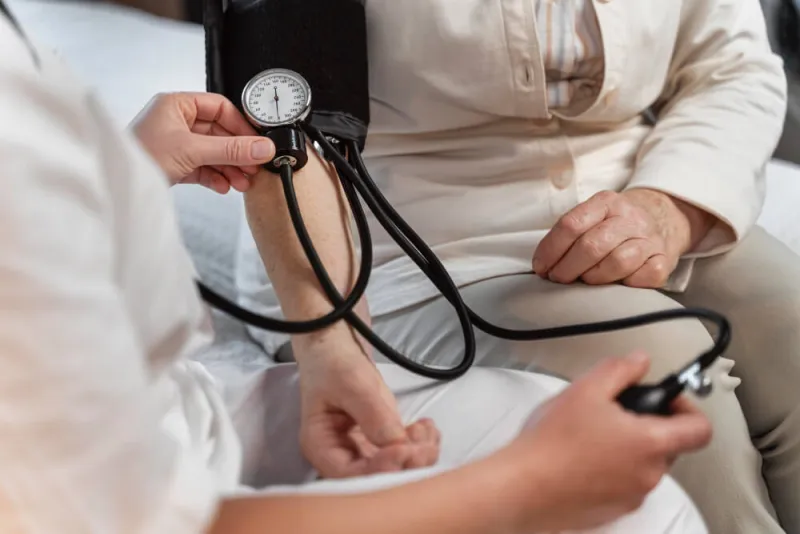
Constantly elevated blood pressure is called Hypertension (High Blood Pressure). Blood pressure refers to the pressure of blood within the arteries—that is, the force of blood flow. Arteries are the vessels that carry blood from the heart to the brain and throughout the body, and a certain amount of pressure is needed to transport blood effectively. Blood pressure is measured using two values: systolic and diastolic pressure.
Systolic pressure (High blood pressure): This is the higher value and represents the pressure exerted by the heart on the arteries while pumping blood to the body.
Diastolic pressure (Low blood pressure): This is the lower value and represents the pressure in the arteries when the heart relaxes between beats.
When blood pressure remains high for a long time, it can cause damage to vital organs such as the heart, brain, and kidneys.
Fill out the form to get information.
What Are the Types of Hypertension?
The types of hypertension are classified as follows:
- When the systolic pressure is between 120–129 mmHg and the diastolic pressure is not higher than 80 mmHg, it is considered “prehypertension.” This means that the individual has a higher risk of developing hypertension in the future.
- When the systolic pressure is between 130–139 mmHg and the diastolic pressure is between 80–89 mmHg, it is classified as “Stage 1 Hypertension.”
- When the systolic pressure is 140 mmHg or higher and the diastolic pressure is 90 mmHg or higher, it is classified as “Stage 2 Hypertension.”
- Hypertensive crisis: When the systolic pressure exceeds 180 mmHg and the diastolic pressure exceeds 120 mmHg, it is considered a hypertensive crisis, which requires immediate medical attention.
What Are the Causes of Hypertension (High Blood Pressure)?
Blood pressure is determined by the amount of blood the heart pumps and the resistance of the arteries to blood flow. The more blood the heart pumps and the narrower the arteries, the higher the blood pressure becomes. The causes of hypertension (high blood pressure) are divided into two main categories: primary (essential) and secondary hypertension.
Primary Hypertension: The exact cause cannot be identified. It usually develops gradually over many years. The buildup of plaque in the arteries (atherosclerosis) increases the risk of high blood pressure.
Secondary Hypertension: This type results from an underlying condition. It tends to appear suddenly and often leads to higher blood pressure values than primary hypertension. Conditions and substances that can cause secondary hypertension include:
- Adrenal gland tumors
- Blood vessel problems present at birth (congenital heart defects)
- Certain over-the-counter medications such as cough and cold remedies, pain relievers, birth control pills, and other prescription drugs
- Illegal drugs such as cocaine and amphetamines
- Kidney disease
- Obstructive sleep apnea
- Thyroid disorders
Sometimes, even a routine health checkup can cause a temporary rise in blood pressure. When blood pressure increases only in a medical setting, this condition is called “White Coat Hypertension.”
What Are the Symptoms of Hypertension (High Blood Pressure)?
Every individual should be aware of their normal blood pressure values. Most people with high blood pressure may not experience any symptoms. If blood pressure is found to be high during the first measurement and no symptoms are present, it should be rechecked after 5 minutes. If the blood pressure remains high on the second measurement and symptoms are present, immediate medical attention is required. Common symptoms of high blood pressure include:
- Sudden and severe headache
- Shortness of breath
- Sudden and intense pain in the abdomen, chest, or back
- Numbness or weakness
- Vision problems
- Difficulty speaking
How Is Hypertension Diagnosed?
An echocardiogram (heart ultrasound) uses sound waves to obtain a detailed image of the heart. An ECG records and measures the heart’s electrical activity.
The cardiologist may also recommend wearing a Holter monitor and an ambulatory blood pressure device to continuously measure the patient’s blood pressure and pulse for 24 hours. The Holter monitor is a portable ECG device that tracks the heart’s electrical activity.
What Are the Risk Factors for Hypertension?
There are many risk factors for hypertension, but the most significant one is aging. As a person gets older, the elasticity of the arteries decreases, which may cause an increase in blood pressure. The main risk factors for hypertension include:
- Aging
- Genetic predisposition (family history of hypertension)
- Smoking
- Alcohol consumption
- Excessive salt intake
- Obesity
- Sedentary lifestyle
What Helps Lower High Blood Pressure?
Lifestyle changes can help control or manage high blood pressure. A cardiologist may recommend the following lifestyle modifications:
- Following a heart-healthy diet with reduced salt intake
- Engaging in regular physical activity
- Maintaining a healthy weight or losing excess weight
- Reducing alcohol consumption
- Avoiding smoking
- Getting 7 to 9 hours of sleep per day
However, lifestyle modifications alone may not always be sufficient for the treatment of hypertension. If blood pressure cannot be controlled through simple lifestyle changes, medication therapy may be required. Medications used to lower blood pressure are called antihypertensive drugs. These include beta-blockers, ACE inhibitors, calcium channel blockers, and diuretics. Antihypertensive medications should be taken regularly as prescribed.
What Are the Complications of Hypertension?
Undiagnosed or uncontrolled hypertension (high blood pressure) can lead to serious health problems such as:
- Aneurysm
- Stroke
- Chronic kidney disease
- Eye damage (hypertensive retinopathy)
- Heart attack (myocardial infarction)
- Heart failure
- Atherosclerosis (hardening of the arteries)
How Should Hypertension Patients Eat?
Individuals with hypertension should establish a healthy and balanced diet and, if necessary, plan their meals under the guidance of a dietitian. Nutrition recommendations for people with high blood pressure include:
- Following a balanced diet that includes fruits, vegetables, lean meats, and whole grains
- Consuming foods rich in potassium, such as bananas, potatoes, and spinach
- Eating fish rich in omega-3 fatty acids
- Avoiding foods high in salt, such as ready-made sauces and pickles
- Avoiding smoking
- Limiting or avoiding alcohol consumption
- Restricting caffeine intake
- Consuming foods rich in magnesium and calcium
The DASH diet (Dietary Approaches to Stop Hypertension) is recommended for patients with high blood pressure. The DASH diet is a nutritional plan developed to help manage hypertension. Its main principles are to limit sodium (salt) intake and increase the consumption of calcium and magnesium, thereby helping to control blood pressure.
When Does Hypertension Become Dangerous?
Hypertension becomes dangerous during a hypertensive crisis. A hypertensive crisis occurs when systolic blood pressure rises above 180 mmHg and diastolic blood pressure rises above 120 mmHg.
If hypertension is not properly controlled, it can lead to serious health problems such as stroke, heart attack, and heart failure.
Frequently Asked Questions About Hypertension
What Should I Do If My Blood Pressure Rises?
If a person diagnosed with hypertension experiences high blood pressure, the first step is to measure and monitor blood pressure levels.
If the elevation is mild, the patient should rest and use antihypertensive medication if prescribed by a physician.
If symptoms such as chest pain, headache, vision problems, or shortness of breath occur, emergency medical care should be sought immediately.
A sublingual tablet (under-the-tongue medication) may be taken only if recommended by a cardiologist.
What Are the Symptoms of Stress-Induced High Blood Pressure?
During stress, blood pressure may temporarily rise, or stress can trigger symptoms similar to hypertension.
- Nausea
- Dizziness
- Headache
- Difficulty concentrating
- Palpitations
- Cold sweating
- Chest tightness
- Shortness of breath
- Feelings of anxiety or restlessness
At What Level Does Blood Pressure Become Dangerous?
Blood pressure becomes dangerous when the systolic pressure exceeds 180 mmHg.
At this level, urgent medical intervention may be required.
Where Does Hypertension Cause Pain?
Hypertension often manifests as a headache originating from the back of the neck (occipital region).
This pain may radiate upward and is typically more noticeable in the morning.
In some cases, chest pain and upper back pain behind the chest may also be related to high blood pressure.
What Are the Symptoms of High Blood Pressure?
- Severe headache
- Chest pain
- Dizziness
- Shortness of breath
- Blurred vision
- Fatigue or confusion
What Causes Persistent High Blood Pressure?
- Thyroid disorders
- Incorrect or insufficient medication
- Sleep apnea
- Excessive salt intake
- Kidney diseases
- Secondary (underlying) hypertension
Does Salty Ayran (Yogurt Drink with Salt) Lower Blood Pressure?
No. Salty ayran does not lower blood pressure; in fact, it may raise it because of its sodium content.
Although it is traditionally consumed to help with low blood pressure, it should be avoided by people with hypertension.
What Happens If Hypertension Progresses?
If left untreated, hypertension can lead to long-term damage to the heart, brain, kidneys, and eyes.
Complications may include heart failure, myocardial infarction, stroke, chronic kidney disease, atherosclerosis, and hypertensive retinopathy.
Why Does High Blood Pressure Occur in Young People?
In young adults, high blood pressure is often caused by an underlying condition (secondary hypertension).
- Kidney diseases
- Hormonal disorders
- Genetic predisposition
- Congenital heart and vascular abnormalities
- Drug or substance use
How Can I Lower My Blood Pressure?
- Maintain a healthy weight
- Quit smoking and avoid alcohol
- Manage stress effectively
- Reduce salt intake
- Adopt an active lifestyle
- Walk at least 150 minutes per week
Can I Live a Long Life with Hypertension?
Yes. With early diagnosis, proper lifestyle changes, a balanced diet, and regular use of prescribed medication, it is possible to live a long and healthy life with hypertension.
What Causes Sudden Increases in Blood Pressure?
- Hyperthyroidism
- Anxiety or stress
- Excessive salt or caffeine intake
- Sleep apnea
- Intense physical exertion
- Drug or medication interactions
Creation Date:04.03.2026
Update Date:04.03.2026
Created by:Medipol Health Group Web Editorial Board