
Summarize This Content with Artificial Intelligence (AI):
What is hyperlipidemia (high cholesterol)?
Hyperlipidemia (high cholesterol) is an increase in the level of fat in the blood and is known as high cholesterol. People with hyperlipidemia have too many lipids in their blood, and this excess can lead to serious health problems such as heart disease, heart attack, and stroke. In the body, the liver supports digestion and produces cholesterol for the secretion of hormones. Any cholesterol that enters the body through diet, beyond what the liver produces, is considered excess cholesterol. Total cholesterol levels of 240 mg/dL and above indicate hyperlipidemia, or high cholesterol.
Fill out the form to get information.
What are the symptoms of hyperlipidemia (high cholesterol)?
Hyperlipidemia (high cholesterol) is asymptomatic and can only be detected through blood tests. If high cholesterol progresses undetected, it can manifest itself through adverse symptoms such as coronary artery disease, blood clots, or stroke.
What does hyperlipidemia (high cholesterol) cause in the body?
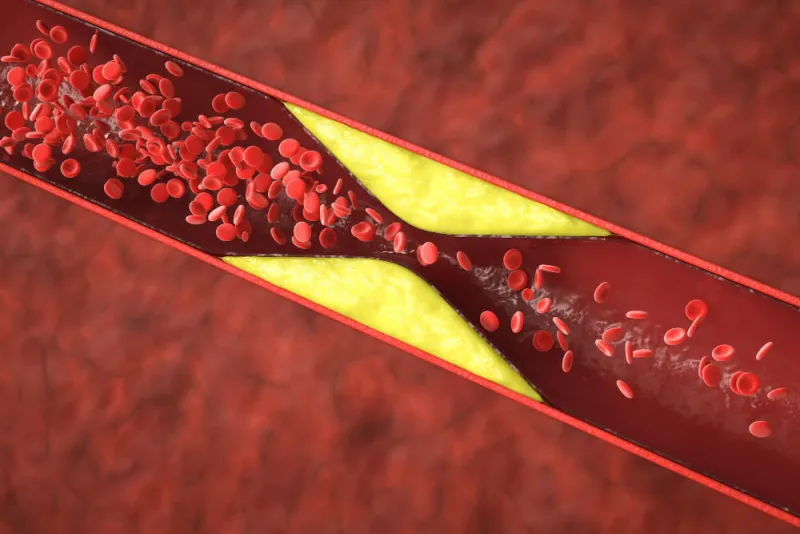
Untreated hyperlipidemia (high cholesterol) causes plaque buildup in blood vessels. Plaque buildup in the body can lead to a number of complications. Hyperlipidemia (high cholesterol) can cause the following health problems in the body:
- Peripheral Arterial Disease
- Carotid Artery Disease
- Coronary Heart Disease
- Heart attack
- Stroke (paralysis)
- Sudden cardiac arrest
What Causes Hyperlipidemia (High Cholesterol)?
Hyperlipidemia (high cholesterol) usually develops due to a consistent consumption of foods high in saturated fat, smoking, and stress. The causes of hyperlipidemia (high cholesterol) are as follows:
- Consuming foods that contain excessive saturated fat or trans fat
- Inactivity
- Drinking too much alcohol
- Smoking
- Being stressed
- Genetic predisposition (family history of high cholesterol)
In addition, some medications, such as the following, can cause high cholesterol:
- Hormones used for birth control
- Diuretics
- Beta-blockers
- Steroids
- Antiretrovirals used for HIV
The use of the above medications should be under the supervision of a doctor, and patients should not stop using any of their medications without consulting their doctor.
The following health problems can also cause high cholesterol (hyperlipidemia):
- Obesity
- Liver diseases
- Pancreatic diseases
- Polycystic Ovary Syndrome (PCOS)
- Multiple Myeloma
- Hypothyroidism
- Diabetes
- Lupus
- HIV
- Sleep apnea
- Chronic kidney disease
- Biliary Cholangitis
What are the risk factors for hyperlipidemia (high cholesterol)?
Hyperlipidemia (high cholesterol) is generally more common in individuals who have certain risk factors. Risk factors for hyperlipidemia (high cholesterol) are as follows:
- Being obese
- Having hypothyroidism
- Drinking too much alcohol
- Having a genetic predisposition
- Having diabetes
- Smoke
- Not eating healthy
How is hyperlipidemia (high cholesterol) diagnosed?
Hyperlipidemia (high cholesterol) does not show any symptoms in the short term and is detected through blood tests. A cardiologist can easily diagnose high cholesterol with a blood test that shows cholesterol levels. High cholesterol test results and ideal cholesterol ranges are as follows:
- Total cholesterol: It should be less than 200 mg/dL.
- Bad (LDL) cholesterol: LDL cholesterol should be less than 100 mg/dL.
- Good (HDL) cholesterol: HDL cholesterol should be at least 60 mg/dL.
- Triglyceride: It should be less than 150 mg/dL.
- Lipoprotein, coronary calcium screening, apolipoprotein, and CRP tests may also be ordered.
To diagnose a patient with hyperlipidemia (high cholesterol), the following cholesterol levels are required:
- Between 200 mg/dL and 239 mg/dL: Borderline high
- 240 mg/dL and above: High
What are the ICD codes for hyperlipidemia?
- E78 Hyperlipidemia: Lipoprotein metabolism disorders and other lipidemias
- E78.0 Pure hypercholesterolemia: High cholesterol levels are found in the blood.
- E78.1 Pure hypertriglyceridemia: There are high levels of fat in the blood.
- E78.2 Hyperlipidemia Mixed: High levels of cholesterol and fat are found in the blood.
- E78.3 Hyperchylomicronemia: There are high levels of fat in the blood.
- E78.4 Other hyperlipidemias: There are high levels of fat in the blood.
- E78.5 Hyperlipidemia, unspecified: There are high levels of fat in the blood.
- E78.6 Lipoprotein deficiency: There are only a few lipid carriers in the blood.
- E78.8 Other disorders of lipoprotein metabolism
- E78.80 Hyperlipoproteinemia (a): A specific type of fat is found in very high amounts in the blood.
- E78.88 Other disorders of lipoprotein metabolism: There is a disease that causes fats to not be used or transported properly in the body.
- E78.9 Lipoprotein metabolism disorder, unspecified: The patient has a disease that causes fats to not be used or transported properly in the body, but the specific disease has not been identified.
What is the treatment for hyperlipidemia (high cholesterol)?
Hyperlipidemia (high cholesterol) is generally treated with medication and lifestyle changes. Besides hyperlipidemia medications, lifestyle changes that can be applied for treatment include:
- To reach or maintain ideal weight
- Reducing stress levels
- Getting regular and sufficient sleep
- Walking and exercising regularly
- Eating healthy foods (especially reducing unhealthy fats and animal products)
- Limiting alcohol consumption
- Not smoking
Is hyperlipidemia (high cholesterol) preventable?
Hyperlipidemia (high cholesterol) may not be completely preventable, especially if there is a genetic predisposition, but lifestyle changes or adopting healthy eating habits can keep high cholesterol at bay as much as possible. To avoid hyperlipidemia (high cholesterol), the following measures can be taken:
- Not smoking or quitting smoking
- Avoid being sedentary and stay active (exercise, swimming, walking, etc.)
- Coping with stress
- Create a diet rich in healthy fats such as olive oil, avocado, and olives.
- Maintaining your ideal weight or losing excess weight
- Reduce consumption of fatty meats.
- Getting regular and sufficient sleep
- Reduce or stop alcohol consumption.
- Avoid foods containing trans fats.
What should people with hyperlipidemia (high cholesterol) be aware of?
- Taking cholesterol medication regularly
- Exercise
- Quitting smoking
- Getting at least seven hours of sleep every night
- Managing stress levels
- Consuming healthier foods
- Limiting alcohol consumption
- Maintaining a healthy weight
Frequently Asked Questions About Hyperlipidemia (High Cholesterol)
How to Manage Hyperlipidemia (High Cholesterol) in Pregnant Women?
In pregnant women with high cholesterol (hyperlipidemia), triglyceride and lipid levels may increase. Your doctor may want to adjust the dosage of your cholesterol medication, so you should inform your obstetrician that you have hyperlipidemia (high cholesterol) as soon as you find out you are pregnant.
Are hyperlipidemia and cholesterol the same thing?
Hyperlipidemia and cholesterol are similar but do not mean the same thing. Hyperlipidemia means that the level of lipids, or fats, in the blood is high. These fats contain cholesterol and triglycerides. Cholesterol is just one of these fats.
Is hyperlipidemia dangerous?
Hyperlipidemia is an asymptomatic disease. If hyperlipidemia progresses undetected, it can lead to undesirable consequences such as heart attack, blood clots, and stroke; therefore, triglyceride and cholesterol levels should be regularly monitored with blood tests.
How should people with hyperlipidemia eat?
- Saturated and trans fats should not be consumed.
- Vegetables, fruits, and whole grains that are high in fiber should be consumed.
- Foods containing omega-3 should be preferred.
- White meat and plant-based proteins should be consumed instead of red meat.
- Sugary foods and refined carbohydrates should be avoided.
Is High Cholesterol a Chronic Disease?
Yes, high cholesterol is a chronic disease and should be regularly monitored by a cardiologist, and prescribed medications should be taken without interruption.
Does high cholesterol cause drowsiness?
High cholesterol doesn't cause drowsiness, but it can indirectly lead to low energy levels. High cholesterol can cause fat to build up in the arteries and narrow them, which can lead to insufficient oxygen reaching the heart and brain, resulting in problems such as fatigue, weakness, and difficulty concentrating.
What should people with hyperlipidemia eat?
- Green leafy vegetables (spinach, broccoli, cabbage, etc.)
- Whole grains (oats, brown rice, whole wheat bread, etc.)
- Legumes (lentils, chickpeas, beans, etc.)
- Lean protein sources (fish, chicken, etc.)
- Fruits (especially those containing antioxidants such as blueberries, blackberries, pineapple, etc.)
- Nuts (in moderation, such as almonds, walnuts, etc.)
In addition, one should drink plenty of water and avoid processed foods and foods high in sugar.
How is hyperlipidemia diagnosed?
Hyperlipidemia is an asymptomatic disease and can be diagnosed through blood tests. The following blood test results indicate hyperlipidemia:
- Total cholesterol: 200 mg/dL and above
- LDL cholesterol 130 mg/dL and above
- Triglyceride: 150 mg/dL and above
Creation Date:05.03.2026
Update Date:05.03.2026
Created by:Medipol Health Group Web Editorial Board