
Summarize This Content with Artificial Intelligence (AI):
Prostate surgery is a procedure that enables the treatment of health problems such as enlargement of the prostate gland, cancer, or urinary tract obstruction through surgical methods. This operation, performed in the field of urology, can be carried out using different techniques depending on the type and stage of the disease.
What is Prostate Surgery?
Prostate surgery, medically known as prostatectomy, is the surgical removal of part or all of the prostate gland.
This operation is generally performed to treat prostate cancer, benign prostatic hyperplasia (BPH), and various prostate diseases. The main goal of treatment is to prevent disease progression, reduce symptoms, and improve quality of life.
Prostate surgery can be performed using open, laparoscopic (closed), or robotic techniques. The choice of technique is determined by a urologist based on the patient's overall health and the characteristics of the disease.
Fill out the form to get information.
What Are The Treatment Methods For Prostate Surgery?
Prostate surgery methods are chosen according to the type of prostate disease, prostate size, and the patient's general condition.
In cases of benign prostatic hyperplasia (BPH), traditional open prostate surgery may still be preferred for large prostates. Among closed methods, the most common technique is transurethral prostate resection (TUR-P), in which tissues are cut and removed using resistive electricity by entering through the urethra.
Prostate treatment methods are listed below:
- Open Prostatectomy
- Closed Surgery (TURP)
- HoLEP (Laser Prostate Surgery)
- Greenlight Laser
- Robotic Prostatectomy
- TUIP (Transurethral Incision)
Open Prostatectomy
Open prostatectomy is a type of surgery performed to completely remove the prostate gland using surgical methods. The operation is performed through a large incision made in the lower abdomen. Through this incision, the surgeon directly accesses the prostate tissue and carefully removes the gland by separating the surrounding tissues.
The surgery is performed under general anesthesia, ensuring that the prostate is directly within the surgeon's field of vision. It is a more traditional method compared to laparoscopic and robotic prostatectomy.
The patient's age, general health status, and the size of the prostate are among the determining factors when deciding on surgery.
Closed Surgery (TURP)
TURP surgery is a minimally invasive surgical technique performed by entering the urinary tract using a specially designed endoscope.
It is the most commonly preferred technique among prostate surgeries and is considered the gold standard, especially for prostate enlargements between 30 and 80 grams. With the development of the Plasma Kinetic system, it can now be safely and effectively applied to larger prostates as well. Compared to open surgery, it provides a shorter recovery time and a more comfortable treatment process.
In the treatment of benign prostate enlargement, sexual dysfunction such as urinary incontinence or erectile dysfunction is quite rare after TURP surgery.
HoLEP (Laser Prostate Surgery)
HoLEP (Holmium Laser Prostate Enucleation) is a modern prostate surgery technique performed using a closed method.
In this method, the enlarged prostate tissue (adenoma) is separated from the capsule and removed using laser technology. HoLEP is an effective surgical option, particularly preferred for the treatment of Benign Prostatic Hyperplasia (BPH).
Greenlight Laser
Greenlight laser therapy is a modern technology developed as an alternative to the traditional TURP (transurethral resection of the prostate) method.
This procedure is performed using a cystoscope inserted through the urethra. A thin fiber optic light source is delivered through the cystoscope, which has a camera at its tip. The high-powered laser energy emitted from the fiber heats and vaporizes the prostate tissue, removing excess tissue. The procedure continues until the enlarged prostate tissue is completely removed.
The most important advantages of Greenlight laser treatment include rapid improvement in urine flow, reduction in urinary tract complaints, shorter recovery time, low blood loss, long-term treatment success, and shorter catheter use.
Common risks and side effects of the treatment may include blood in the urine (hematuria), bladder spasms or sudden urge to urinate, frequent urination due to bladder irritation, burning during urination (dysuria), and backward flow of semen into the bladder (retrograde ejaculation). In rare cases, urinary incontinence may develop.
Robotic Prostatectomy
Robotic prostatectomy is a minimally invasive method used for the surgical removal of the prostate gland.
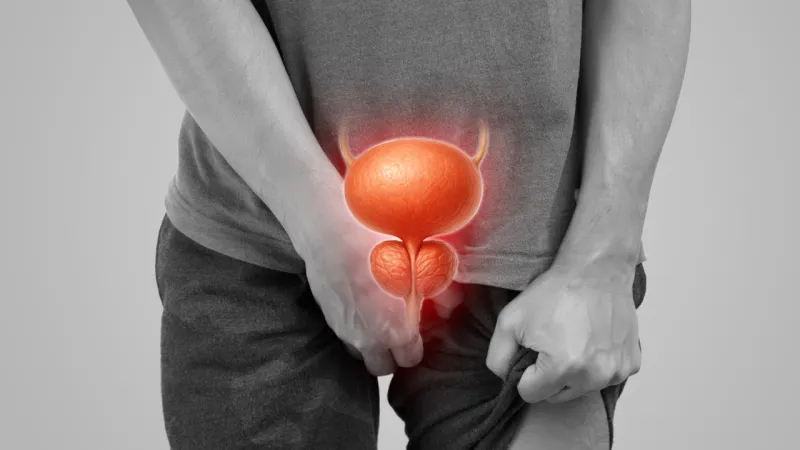
In this technique, the procedure is performed more precisely and controllably thanks to robotic surgical systems. The prostate gland is located below the bladder and in front of the rectum. Removal of this gland, which is an important part of the male reproductive system, is generally preferred in the treatment of prostate diseases.
TUIP (Transurethral Incision)
Transurethral prostate incision (TUIP) surgery is a minimally invasive surgical procedure targeting the prostate gland.
It is particularly preferred for the treatment of benign prostate enlargement, known as BPH (benign prostatic hyperplasia). It is an effective option for patients who have difficulty urinating and do not respond to medication.
It can also be performed in younger men with a prostate volume below 30 ml and bladder outlet obstruction. BPH is one of the most common urological disorders in men, particularly prevalent in individuals over 50 years of age. TUIP is a frequently used method in the surgical treatment of this disease due to the advantages it offers.
The decision to perform TUIP surgery depends on criteria such as the patient's general condition and prostate size. Treatment outcomes can vary from patient to patient. The success of the surgery depends on the size of the prostate, the severity of symptoms, the patient's general health status, and the experience of the surgical team.
How is Prostate Surgery Performed?
Prostate surgery is based on surgically or laser-assisted removal of the enlarged portion of the prostate that obstructs urine flow.
In the transurethral resection of the prostate (TURP) which is often preferred for benign prostatic hyperplasia, prostate tissue is cut and removed using an electrically charged wire or plasmakinetic technology at the tip of an endoscopic device inserted through the urethra.
In closed approaches, laser prostate enucleation is used. In this method, the prostate tissue is separated from its capsule and fragmented by entering through the urethra without making an incision, and then removed through the bladder.
On the other hand, open surgery, laparoscopic, or robotic approaches can be used for large prostates. In these methods, an incision is made in the abdominal wall, and direct access to the tissue to be removed is provided.
How Long Does Prostate Surgery Take?
Prostate surgery is performed under general anesthesia and takes an average of 2-3 hours.
After the procedure, a urinary catheter is placed in the patient's abdomen, and urine is drained through this catheter during this period. The catheter is usually removed within 5-7 days. The patient is usually discharged within 1-2 days after the operation.
The recovery process is shorter compared to open prostate surgery. Patients can usually return to their daily lives and normal activities within 2-3 weeks.
What Are The Benefits of Prostate Surgery?
Prostate surgery (prostatectomy) is the surgical removal of part or all of the prostate gland. This procedure is usually preferred for the treatment of prostate cancer, benign prostatic hyperplasia (BPH), and certain other prostate disorders. The main goal is to stop the progression of the disease, alleviate symptoms, and improve quality of life.
In recent years, robotic prostate surgery has gained prominence due to its many advantages over traditional open surgery. The robotic method allows for more precise surgical application. This results in less damage to tissue, lower levels of blood loss and pain.
The risk of scarring and infection after surgery is also lower compared to open surgery. Patients generally stay in the hospital for a shorter period and recover more quickly.
The benefits of prostate surgery are listed below:
- Enhanced precision
- Reduced tissue damage
- Less blood loss, pain, and scarring
- Lower risk of infection
- Shorter hospital stay
- Faster recovery
What Are The Side Effects Of Prostate Surgery?
The methods used in prostate cancer treatment are effective in controlling the disease. However, some side effects may occur after this surgery.
Since the nerves and muscles around the prostate may be damaged during surgery, problems with urinary control and sexual function may occur. In addition, changes in ejaculation, fertility, and penis size may be seen.
The severity of side effects varies from person to person. Although most cases improve over time, some effects may be permanent. Additional methods and supportive treatments can be applied for these situations experienced during the treatment process.
Side effects of prostate surgery are listed below:
- Nerve damage
- Loss of urinary control (urinary incontinence)
- Erectile dysfunction (erection problems)
- Changes in ejaculation (dry orgasm)
- Infertility
- Shortening of the penis
Who Should Have Prostate Surgery?
If you continue to have urinary problems despite medication, if you have recurrent urinary tract infections, if there is significant blood in your urine, or if you have had a catheter inserted because you are unable to urinate, you should have prostate surgery.
Delaying treatment at this point poses serious health risks. Waiting can damage bladder and kidney function. Unfortunately, permanent damage to these organs is often untreatable.
In Which Department Is Prostate Surgery Performed?
When there is suspicion of prostate disease or prostate enlargement, the physician to consult is a urology specialist. On the other hand, prostate surgeries are performed in urology departments.
The urologist performs the necessary examinations to diagnose prostate enlargement and informs the patient about any tests that may be required. They also provide guidance on the diagnosis and treatment of other possible prostate problems.
Frequently Asked Questions About Prostate Surgery
Frequently asked questions and answers about prostate surgery are listed below.
How Many Days Does it Take For A Person To Recover After Prostate Surgery?
The recovery time after prostate surgery varies depending on the type of surgery. It can take 4-6 weeks for closed methods and up to 8 weeks for open surgeries.
What Size Of Prostate Needs To Require Surgery?
Prostate size doesn't directly determine the decision for surgery, but if symptoms worsen at sizes over 80 grams, surgery is considered, and methods like HoLEP are preferred if medication is insufficient.
How Long Does Bleeding Continue After Prostate Surgery?
Mild bleeding after surgery usually lasts 1-2 weeks, and changes in urine color are normal, but excessive bleeding should be reported to a doctor.
What Happens If The Prostate Is Completely Removed?
Complete removal of the prostate (radical prostatectomy) treats cancer but can lead to temporary urinary incontinence and erectile dysfunction.
Does The Prostate Regrow After Prostate Surgery?
With methods such as HoLEP, the risk of regrowth is very low since the prostate tissue is completely removed, providing a long-term solution. After TURP, however, reoperation may be necessary in 20% of cases within 10 years.
Is Prostate Surgery Open Or Closed?
Prostate surgeries can be performed using both open and closed methods, but closed (laparoscopic or robotic) techniques are less invasive and speed up recovery. While open surgery is preferred for large prostates, closed methods have become standard.
What Happens To PSA After Prostate Removal?
When the prostate is completely removed, the PSA level becomes undetectable (<0.2 ng/mL) and regular measurements are taken for cancer monitoring.
How Long Does Urinary Incontinence Last After Prostate Surgery?
Post-operative urinary incontinence usually lasts 3-6 months and completely resolves within 1 year.
Is A Catheter Inserted In A Prostate Patient?
A catheter is inserted after prostate surgery to relieve pressure on the urinary tract and support healing.
How Is A Catheter Removed After Prostate Surgery?
The catheter is gently withdrawn by deflating the balloon, usually 1-7 days after surgery, under the supervision of a doctor.
When Can You Sit After Prostate Surgery?
You can sit up immediately after surgery, but in the first few days, a supportive position is preferred to reduce pressure, and strenuous sitting activities are avoided for 4-6 weeks.
How Is Prostate Surgery Performed In Men?
In men, prostate surgery is performed either by inserting an endoscope through the urethra to remove excess tissue with a laser, or by completely removing the prostate through an abdominal incision.
What Is The New Method In Prostate Surgery?
Rezum (water vapor) therapy is a new method that reduces prostate tissue, relieves symptoms, and is minimally invasive.
How Many Cm Does The Prostate Need To Be For Surgery?
Surgery is considered when the prostate reaches 4-5 cm (approximately 30-80 grams) and symptoms worsen.
Which Method Is Used For Prostate Surgery In State Hospitals?
TURP is the most common method in state hospitals and is performed by resecting tissue through the urethra.
What is the Definitive Solution for Prostate Problems?
HoLEP laser treatment provides a permanent solution by completely removing the prostate and minimizes the risk of regrowth. With early surgery, symptoms can be eliminated forever.
What Should A Person Who Has Had Prostate Surgery Pay Attention To?
After surgery, plenty of fluids should be consumed, heavy lifting should be avoided, and pelvic exercises should be performed.
Is The Patient Put To Sleep During Prostate Surgery?
Prostate surgery is usually performed under general anesthesia, and the patient is completely asleep; spinal anesthesia is also an alternative. Pain and stress are avoided.
Does Prostate Surgery Affect Sexuality?
Prostate surgery, particularly radical prostatectomy, can affect sexual function because the nerves necessary for erection can be damaged during the operation.
Creation Date:01.04.2026
Update Date:01.04.2026
Created by:Medipol Health Group Web Editorial Board