
Summarize This Content with Artificial Intelligence (AI):
Pulmonary hypertension is a serious condition characterized by elevated blood pressure in the arteries that carry blood to the lungs. This disease, which can progress silently over time and may eventually lead to heart failure, typically manifests with symptoms such as shortness of breath, fatigue, and chest pain. Because diagnosis and treatment directly affect the course of the disease, early detection is of vital importance.
What Is Pulmonary Hypertension?
Pulmonary hypertension (PH) refers to increased blood pressure in the pulmonary arteries, which carry blood from the heart to the lungs. The normal mean pulmonary arterial pressure at rest is approximately 14 mmHg, with an upper limit of 20 mmHg at rest and 30 mmHg during exercise. When the pressure exceeds these values, pulmonary hypertension can be diagnosed.
When the blood pressure in these arteries is high, the resistance encountered by the blood being pumped from the heart to the lungs increases. This resistance forces the heart to work harder, which over time can lead to heart failure. Although it is relatively rare, the disease can be insidious, and delayed diagnosis may result in serious complications.
Fill out the form to get information.
Types of Pulmonary Hypertension
Pulmonary hypertension can develop due to various underlying causes and is therefore classified into five main groups. Correct classification is crucial for effective diagnosis and treatment. The main types are as follows:
1. Pulmonary Arterial Hypertension (PAH)
Caused by structural narrowing and thickening of the pulmonary arteries. It may develop idiopathically (without a known cause), be hereditary, or occur secondary to connective tissue diseases (such as systemic sclerosis), congenital heart diseases (heart defects present from birth), HIV infection, portal hypertension (liver-related pressure increase), or certain medications.
2. Pulmonary Hypertension Due to Left Heart Disease
One of the most common forms. When the left side of the heart fails to function properly, blood returning from the lungs cannot flow efficiently, causing back pressure that increases pulmonary arterial pressure. It commonly results from left heart failure, mitral or aortic valve disorders, or systolic/diastolic dysfunction.
3. Pulmonary Hypertension Due to Lung Diseases and Hypoxia
Prolonged low oxygen levels cause constriction of pulmonary vessels, limiting blood flow to only the most oxygenated areas of the lungs. This type is often associated with COPD, interstitial lung disease, sleep apnea, or long-term residence at high altitudes.
4. Chronic Thromboembolic Pulmonary Hypertension (CTEPH)
Characterized by persistent obstruction in the pulmonary arteries due to unresolved blood clots. These clots can cause scarring, which increases resistance and disrupts normal blood flow, forcing the right side of the heart to work harder.
CTEPH is the only form of pulmonary hypertension that can be cured surgically through pulmonary endarterectomy. Common causes include recurrent pulmonary embolisms and clotting disorders.
5. Pulmonary Hypertension with Multifactorial or Unclear Mechanisms
This rare type develops secondary to multiple systemic diseases such as sarcoidosis, hematologic disorders, metabolic conditions, renal failure, or other systemic diseases.
Symptoms of Pulmonary Hypertension
In its early stages, pulmonary hypertension often presents with mild or nonspecific symptoms, making early detection difficult. As the disease progresses, symptoms become more apparent, typically related to reduced oxygen delivery and decreased exercise tolerance. Common symptoms include:
- Shortness of breath (dyspnea)
- Fatigue and weakness
- Chest pain or pressure
- Palpitations
- Dizziness or fainting (syncope)
- Swelling in the legs and ankles (edema)
- Bluish discoloration of lips and fingertips (cyanosis)
- Loss of appetite and weight loss
- Difficulty performing daily activities
- Persistent cough
Because these symptoms overlap with those of other diseases, diagnosis may be delayed. Patients experiencing one or more of these symptoms should consult a specialist, ideally under the joint care of cardiology and pulmonology departments.
Stages of Pulmonary Hypertension
Pulmonary hypertension is classified into four stages based on disease severity, body impact, and physical activity limitations:
- Stage I: No apparent symptoms. Structural changes in the vessels may begin, but the patient remains asymptomatic.
- Stage II: Mild limitation of physical activity. While symptoms are absent at rest, activities such as climbing stairs or brisk walking cause shortness of breath, chest pain, or palpitations.
- Stage III: Marked limitation of activity. Even mild daily activities may trigger symptoms. Quality of life significantly declines.
- Stage IV: Severe stage. Symptoms persist even at rest, and right-sided heart failure becomes evident. The patient requires continuous medical support.
Risk Factors for Pulmonary Hypertension
- Genetic predisposition
- Connective tissue diseases (systemic sclerosis, lupus, rheumatoid arthritis)
- Congenital heart disease
- COPD
- Recurrent pulmonary embolisms
- Liver disease
- HIV infection
- Certain drugs or toxins
- Obesity
- Long-term high-altitude exposure
- Use of recreational drugs
Causes of Pulmonary Hypertension
Pulmonary hypertension results from elevated pressure in the pulmonary arteries due to various underlying causes, including:
- Idiopathic Pulmonary Arterial Hypertension: No identifiable cause; related to intrinsic vessel abnormalities.
- Genetic factors: Family history of pulmonary hypertension increases risk.
- Connective tissue diseases: Conditions such as lupus and systemic sclerosis cause inflammation and vessel thickening.
- HIV infection: Directly affects vascular structure.
- Congenital heart disease: Increases pressure load on pulmonary vessels.
- Drugs/toxins: Some appetite suppressants and chemotherapeutic agents may damage vessels.
- Left heart disease: Causes backward pressure into the pulmonary circulation.
- COPD and interstitial lung disease: Chronic hypoxia raises vascular resistance.
- Sleep apnea: Intermittent oxygen drops cause vasoconstriction.
- Chronic thromboembolic disease: Recurrent blood clots lead to persistent blockage.
Sarcoidosis, liver disease, kidney failure, blood disorders, and thyroid dysfunction can also contribute.
Diagnosis of Pulmonary Hypertension
Diagnosis involves a combination of clinical assessment, imaging, and laboratory tests. Early detection is essential for improving prognosis.
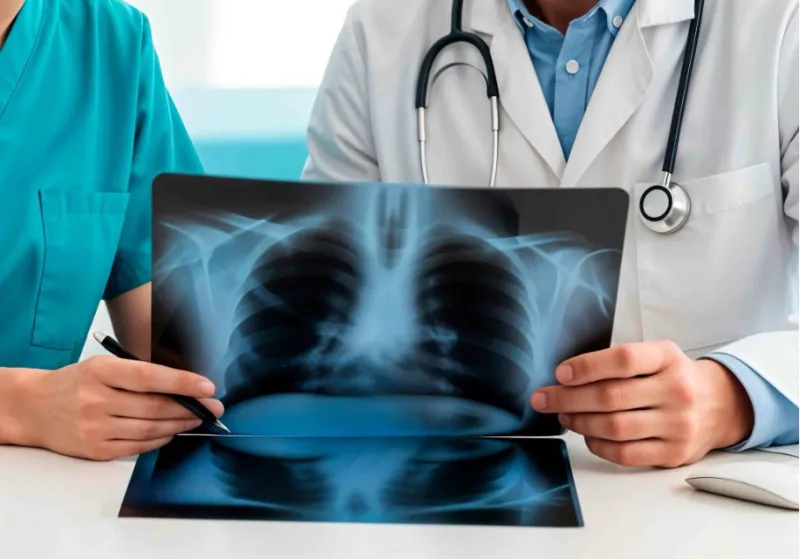
Physicians begin with a detailed medical history and physical examination, focusing on symptoms such as shortness of breath, fatigue, and palpitations. Diagnostic tools include ECG, echocardiography (ECHO), MRI, CT angiography, chest X-ray, and pulmonary CT scans.
Lung function tests and blood analyses help assess oxygen exchange. Exercise capacity is evaluated using a 6-minute walk test or exercise stress test.
The gold standard for definitive diagnosis is right heart catheterization, which directly measures pulmonary arterial pressure.
Treatment of Pulmonary Hypertension
Treatment depends on the underlying cause, disease stage, and the patient’s overall health. The goals are to relieve symptoms, slow disease progression, and improve survival.
Because pulmonary hypertension often develops secondary to other conditions, treatment focuses on the root cause — for example, managing left heart failure, connective tissue disease, or chronic lung disease.
Medication therapy is tailored individually. Lifestyle changes such as smoking cessation, reduced salt intake, and avoiding strenuous activity are essential.
In cases caused by chronic thromboembolic disease, surgical removal of clots through pulmonary endarterectomy can be curative.
A multidisciplinary approach is crucial, involving specialists in cardiology, pulmonology, rheumatology, and cardiovascular surgery.
Frequently Asked Questions About Pulmonary Hypertension
Can Pulmonary Hypertension Be Cured?
It cannot be completely cured, but it can be controlled if the underlying cause is treated.
What Triggers Pulmonary Hypertension?
Common triggers include left heart disease, chronic lung diseases (such as COPD), pulmonary embolism, connective tissue diseases, certain medications, and genetic predisposition.
What Is a Normal Pulmonary Artery Pressure?
A resting mean pulmonary arterial pressure below 20 mmHg is considered normal.
Is Pulmonary Hypertension Genetic?
Yes, certain forms — such as idiopathic or hereditary pulmonary arterial hypertension (HPAH) — are genetically transmitted.
What Should the Pulmonary Flow Velocity Be?
The normal pulmonary flow velocity measured by echocardiography should be below 2.8 m/s.
How Is Pulmonary Arterial Pressure Measured?
The most accurate method is right heart catheterization. Echocardiography provides an estimated measurement.
Is Pulmonary Arterial Hypertension Dangerous?
Yes. Without early diagnosis and treatment, it can lead to right heart failure, reduced exercise capacity, and decreased life expectancy.
Creation Date:03.03.2026
Update Date:03.03.2026
Created by:Medipol Health Group Web Editorial Board