
Summarize This Content with Artificial Intelligence (AI):
Genital warts, medically known as condyloma, are a contagious skin infection caused by the Human Papillomavirus (HPV). It appears in both women and men as small, skin tag-like bumps in the genital area. Early diagnosis and proper treatment are very important both to prevent the spread of the virus and to reduce the risk of complications.
What is Genital Wart (Condyloma)?
Genital warts are one of the most common sexually transmitted infections. This condition is caused by certain types of the Human Papillomavirus (HPV). The HPV types that cause genital warts do not lead to cancer.
Warts can be removed with treatment but as long as HPV remains in the body, the infection can still be transmitted to others. For this reason, using condoms and practicing safe sex are very important.
Genital warts appear as small bumps or protrusions in the genital area and around the anus. Certain types of HPV cause these warts. Although there is no definitive cure for HPV infection, there are effective treatment methods to remove the warts. Infection can spread during vaginal, anal or oral intercourse.
Genital warts can occur in anyone but they are more common in adolescents and young adults. Not using condoms or other protective barriers and having multiple sexual partners increases the risk of infection.
What Causes Genital Warts?
Genital warts are caused by certain types of the human papillomavirus (HPV) and are quite contagious. HPV can be transmitted through skin-to-skin contact during sexual activity, vaginal, anal or oral intercourse. Additionally, sharing adult toys or contact with genital secretions can also lead to transmission of the virus.
About two-thirds of people who have sexual contact with someone carrying genital warts become infected. Warts usually appear within 3 months after contact. There are many subtypes of HPV and a person can be infected with more than one type of HPV.
Some HPV types can lead to serious diseases such as cervical cancer or anal cancer. However, the HPV types that cause genital warts generally do not cause cancer. In women who have genital warts during pregnancy, the risk of transmitting HPV to the baby during childbirth is very low.
Fill out the form to get information and make an appointment
What Are The Symptoms Of Genital Warts?
Genital warts can appear individually or in clusters. When they come together, they can look like cauliflower. They can have a soft or hard structure. Their color may be white, red, skin-colored or darker than the surrounding skin. They usually do not cause symptoms but in some cases pain, itching or bleeding may occur.
Some people may experience pain or discomfort during sexual intercourse. Complaints such as difficulty urinating, blood in the urine or interrupted urination may also occur.
The symptoms of genital warts are listed below:
- One or multiple painless swelling or bump around the vagina, penis or anus.
- Itching or bleeding in genital or anal region.
- Permanent change in urine flow.
- Genital warts appearing in your partner.
If you have any of these symptoms, you should be evaluated for genital warts.
What Are The Harms Of Genital Warts?
Genital warts usually do not lead to serious health problems. The HPV types that cause this condition are considered low-risk. HPV types that cause cancer are considered different from those that cause genital warts.
The harms of genital warts are listed below:
- High-risk types of the HPV virus can lead to serious diseases such as cervical cancer.
- Cause symptoms like itching, bleeding, pain.
How To Recognize Genital Warts?
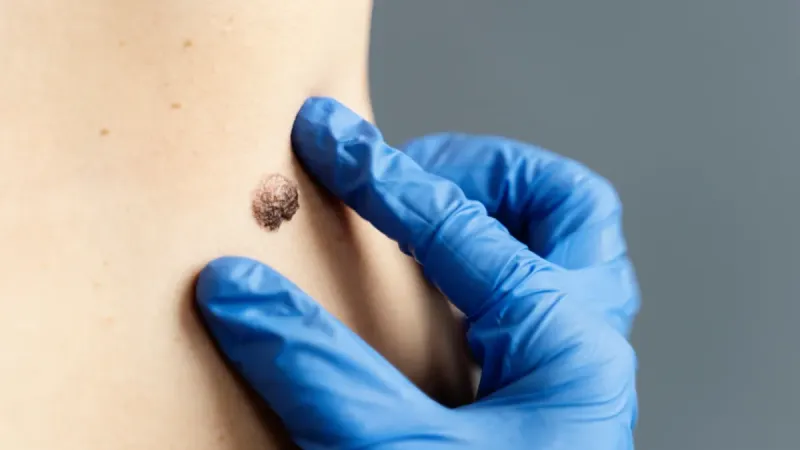
Genital warts appear on the skin as bump or spot-like formations that may be light or dark brown.
Sometimes they can come together and form a cauliflower-like appearance. It can cause itching and bleeding can occur during sexual intercourse. These warts can sometimes be mistaken for skin tags or remain unnoticed for a long time.
Genital warts can appear as skin-colored or whitish bumps around the vulva, vagina, cervix, penis, scrotum or anus.
They usually have a small, cauliflower-like appearance. There may be a single wart or multiple warts clustered together. It may cause itching but it usually does not cause pain.
Not every bump in the genital area is a wart. Other skin conditions or infections with a similar appearance may also be seen.
Genital warts can be understood with symptoms below:
- Skin-colored or whitish bumps
- Single or multiple, cauliflower-like appearance
- Itching or burning sensation
- Bleeding during sexual intercourse
- Seen around vulva, vagina, penis, anus
What Are The Types Of Genital Warts?
Genital warts (condylomas) are lesions caused by Human Papillomavirus (HPV) infection in the genital and anal areas. These lesions are classified according to their clinical appearance.
- The most common types of genital warts are listed below:
- Anogenital warts (Condyloma acuminata)
- Flat warts (Verruca plana)
- Pedunculated (filiform) warts
Condyloma Acuminata
The most common type of genital warts is called condyloma acuminata (anogenital warts). They are commonly associated with low-oncogenic-risk types such as HPV-6 and HPV-11 and may appear as pink, brownish raised lesions or cauliflower-like clusters.
Verruca plana
They are less like a bump and lie closer to the skin surface, making them more difficult to detect. Verruca plana, also known as flat warts, are small lesions typically 2 to 5 mm in diameter with a flat surface and a smooth appearance.
They may be close to the skin tone in color or appear in shades of pink or light brown. These warts most commonly appear on the face, neck, arms and legs.
Pedunculated (Filiform) Warts
Pedunculated (filiform) lesions can form thin, elongated projections. They are more commonly seen in men and most often appear on the face and neck.
On the face, they may be irregularly distributed, especially around the lips, eyelids and nose. In children, they are most commonly observed around the mouth and lip area. These warts are often seen together with warts on the hands which are considered a common source of infection.
Genital Wart Treatment
If warts do not cause any discomfort, treatment may not be necessary. However, if there are complaints such as itching, burning or pain, it is possible to remove the warts using medication or surgical methods. Treatment is also recommended for people who are concerned about the spread of the infection.
It is possible that warts can reappear after treatment. Because there is no definitive treatment that eliminates the virus itself.
Genital wart treatment methods are listed below:
- Medication Treatment
- Surgical Treatment
Medication Treatment
The goal of genital wart treatment is to remove the wart tissue and prevent its recurrence. Some treatment methods applied to the skin target the wart tissue and help destroy it. During this process, mild irritation, discoloration or pain may occur.
During treatment, it is recommended to maintain good hygiene and avoid sexual contact until the warts are completely healed.
Surgical Treatment
Large warts or those that do not respond to medication may require surgical intervention. During pregnancy, surgical procedures may also be performed to remove warts that pose a risk of transmission to the baby during childbirth.
The main methods in genital warts surgery are:
- Cryotherapy (Freezing with Liquid Nitrogen)
- Electrocauterization
- Surgical Excision
- Laser Treatment
Cryotherapy (Freezing with Liquid Nitrogen)
A bump is formed around the wart and the tissue gradually sheds while new skin develops. Repeating sessions may be needed. Pain and swelling are included in the side effects.
Electrocauterization
Wart tissue is burned with electric current. There may be pain and slight swelling after application.
Surgical Excision
Warts are removed by surgically cutting them. Anesthesia is administered during the procedure. Pain may occur afterwards.
Laser Treatment
The wart tissue is destroyed using intense light energy. It is a costly method and generally preferred for diffuse or resistant warts. Pain and scars are included in possible side effects.
What Are The Ways To Be Protected From Genital Warts?
Sexually active individuals can take certain precautions to protect themselves from sexually transmitted infections such as genital warts. Using condoms or dental dams during sexual intercourse reduces the risk of infection.
Getting the HPV vaccine provides effective protection against warts and certain types of cancer caused by the virus. Regular testing for sexually transmitted infections and receiving treatment when necessary are also important.
If HPV or genital warts are diagnosed, partners should be informed and they should also get tested. Choosing monogamy or limiting the number of sexual partners reduces the risk of transmission. Avoiding vaginal douching also helps maintain the natural balance of the genital area.
Genital Wart Vaccine
The HPV vaccine provides protection against HPV types that cause genital warts and certain types of cancer. There are over 100 types of HPV. For this reason, even if you have an HPV type that causes genital warts, the vaccine can still protect you against other high-risk types. The HPV vaccine is an effective method for preventing genital warts and HPV-related cancers in both women and men.
Which Doctor To Go For Genital Warts?
For the treatment of genital warts, it is necessary to consult a urologist. The department where a urologist works is called Urology. Genital warts require specific and targeted treatment methods.
Frequently Asked Questions About Genital Warts
Frequently asked questions and answers about genital warts (condyloma) are listed below.
Is HPV The Only Cause Of Genital Warts?
The only cause of genital warts is infection with the human papillomavirus (HPV), particularly low-risk HPV types (6 and 11), which lead to their development.
Which Regions does HPV Cause Warts On?
HPV can cause warts in the genital areas such as the vulva, vagina, cervix, penis, scrotum, anus and surrounding region, also in the mouth and throat.
What Disease Is A Wart A Symptom Of?
A wart is a sign of HPV infection and is usually associated with low-risk types.
Is Genital Wart Something To Be Afraid Of?
Genital warts are generally harmless and can be cleared by the body.
Why Does Warts Appear Around The Vagina?
Warts around the vagina occur as a result of HPV being transmitted to the genital area through skin-to-skin contact.
Why Does Warts Appear Around The Butt?
Warts around the butt develop when HPV is transmitted to the skin around the anus during anal sex or genital contact.
Can Warts Appear Due To Razor?
Small cuts caused during shaving can facilitate the entry of HPV but warts do not come directly from the razor; they are caused by the presence of the virus.
Can Warts Appear Due To Stress?
Stress can trigger HPV infection because it weakens the immune system but wart formation is not directly caused by stress; it results from activation of the virus.
What Color Are Warts Usually?
Warts are usually skin-colored, gray, white, red or darker than the surrounding skin and may appear in cauliflower-like clusters.
What Is The Fastest Way To Get Rid Of Warts?
The fastest ways to get rid of warts are office procedures such as cryotherapy (freezing), laser therapy or electrosurgery.
How Is Wart Root Removed?
The wart root is completely removed by a doctor using surgical excision, laser or electrocautery.
Can Warts Be Removed With Tweezers?
Warts should not be removed with tweezers, as this can lead to infection, bleeding, scarring and the spread of the virus.
What Happens If Genital Wart Is Torn Off?
If a genital wart is torn off, the risk of pain, bleeding, infection or spreading the virus to other areas increases and scarring may occur.
Is Removal Of Warts Painful?
The procedure for removing warts may cause mild to moderate pain.
In How Many Sessions Do Genital Wart Treatment Take?
Genital wart treatment is generally finished in 1-3 sessions.
How Many Days Does It Take For Genital Warts To Heal?
Genital warts usually heal within 1-2 weeks after treatment, it may take 4-16 weeks with creams but full recovery varies depending on individual factors.
Does HPV Go Away When Warts Disappear?
Even if the warts disappear, the HPV virus can remain in the body; the immune system usually clears it within 1-2 years but there is a risk of persistent infection.
Can HPV Be Negative While There Are Warts?
If warts are present, the HPV test remains positive; it does not turn negative while the virus is active. Treatment removes the warts but does not eliminate the virus.
What Happens If The Warts Are Not Removed?
If warts are not treated, they can grow and spread, be transmitted to partners or in rare cases cause obstruction; however, they do not turn into cancer.
Can You Have Intercourse While Having Genital Warts?
Sexual intercourse should be avoided when genital warts are present, as the risk of HPV transmission is high; condoms provide partial protection but do not fully prevent it.
Creation Date:21.07.2026
Update Date:21.07.2026
Created by:Medipol Health Group Web Editorial Board