
Summarize This Content with Artificial Intelligence (AI):
Foods that prevent tooth decay consist of foods that maintain the acid balance in the mouth, strengthen enamel, and reduce bacterial formation. A diet rich in calcium, phosphorus, fiber, and antioxidants protects teeth while supporting oral health in the long term.
What Is Tooth Decay?
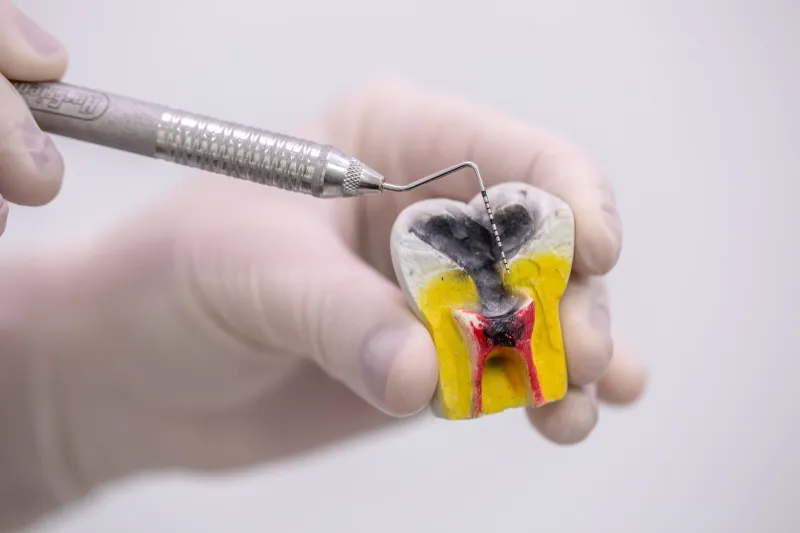
A decayed tooth is a small cavity that forms as a result of acids produced by bacteria in the mouth eroding the enamel layer.
The most obvious symptom of tooth decay is the pain felt in the cavity created by the decay. If left untreated, this condition can cause infection and irritation in addition to pain.
Filling is generally applied in the treatment of decayed teeth. In advanced cases, root canal treatment is used, and tooth extraction is preferred when necessary.
Fill out the form to get information.
Why Do Teeth Decay?
Bacterial plaque accumulating in the mouth feeds on residues left by sugary foods and produces acid, and these acids damage tooth enamel. Tooth decay forms as the enamel layer weakens.
The most significant causes of decay are excessive sugar consumption, the absence of a regular tooth brushing habit, and inadequate oral hygiene.
The causes of tooth decay are listed below:
- Not brushing teeth regularly
- Frequent consumption of high-sugar foods
- Insufficient oral care
- Dry mouth
- Cracks forming in teeth
- Fluoride deficiency
- Gum recession
- Genetic predisposition
- Eating disorders such as anorexia and bulimia
What Are The Foods That Prevent Tooth Decay?
Proper nutrition is as decisive a factor in maintaining dental health as regular brushing and professional care.
Some foods consumed daily strengthen tooth enamel, support saliva flow, and slow cavity formation. These foods, preferred to prevent tooth decay, provide natural protection for both children and adults.
Foods that prevent tooth decay are listed below:
- Calcium-containing foods
- Fibrous fruits and vegetables
- Whole grains
- Nuts
- Foods and beverages containing fluoride
- Sugar-free dairy products
Calcium-Containing Foods
Calcium is one of the essential minerals that strengthens tooth enamel. Dairy products such as milk, yogurt, and cheese are rich in calcium.
In addition, foods such as almonds, dried legumes, broccoli, and canned fish with bones also contribute to the preservation of tooth structure.
Fibrous Fruits And Vegetables
Fruits and vegetables with a high fiber content create a natural cleansing effect in the mouth by increasing saliva secretion.
Apples, oranges, bananas, raisins, dates, beans, peas, and Brussels sprouts are standout choices in terms of fiber. The increase in saliva reduces the risk of decay by neutralizing acids.
Whole Grains
Whole grains contain B vitamins, iron, and magnesium that help keep gums healthy. Brown rice, bran, whole-grain pasta, and whole-grain cereals provide both high fiber and support oral health.
Nuts
Nuts such as almonds, peanuts, and Brazil nuts strengthen teeth with both their healthy fats and mineral content.
They also help maintain the acid balance in the mouth by increasing saliva secretion during chewing.
Fluoride-Containing Foods
Fluoride is one of the most important minerals that strengthens tooth enamel. Drinking water, certain teas, and fluoride-enriched foods support the reduction of decay risk.
Dairy Products (Sugar-Free Ones)
Sugar-free dairy products both provide calcium and regulate the pH balance in the mouth. Yogurt and cheese help protect teeth against decay by increasing saliva flow.
What Are The Foods Beneficial For Dental Health?
Proper nutrition plays as important a role in maintaining dental health as regular brushing.
A diet low in sugar and starch and rich in calcium and protein strengthens tooth enamel, reduces the risk of decay, and supports oral health in the long term.
Foods beneficial for dental health are listed below:
- Dairy products
- Crunchy and leafy vegetables
- Fresh fruits
- Seafood
- Green and black tea
- Fluoride-containing foods
- Fibrous fruits and vegetables
Dairy Products
Milk, yogurt, and cheese strengthen tooth enamel thanks to being rich in calcium and protein.
Products such as sugar-free or low-sugar yogurt and cheese also support the remineralization of teeth.
For this reason, it is recommended to include them in the daily diet without fail.
Crunchy And Leafy Vegetables
Crunchy vegetables such as carrots and celery help remove plaque from the tooth surface by creating a natural cleansing effect.
At the same time, they ensure the preservation of the acid balance in the mouth by increasing saliva flow during chewing.
Fresh Fruits
Fruits rich in vitamin C and antioxidants such as apples, strawberries, oranges, and kiwi support the neutralization of harmful bacteria in the mouth. These fruits both strengthen the gums and provide a protective effect against decay.
Seafood
Ocean fish and other seafood contain natural fluoride. Since fluoride helps strengthen tooth enamel, it provides effective protection against tooth decay.
At the same time, these foods support oral health with their high protein content.
Green And Black Tea
These teas contain polyphenols that can suppress bacteria responsible for plaque formation. When consumed correctly, they have a positive effect on the bacterial balance in the mouth. Consuming them without sugar is the ideal preference.
Fluoride-Containing Foods
Soups, fruit juices prepared with fluoridated water, and some commercially produced cereals can help strengthen tooth enamel. Fluoride is one of the essential minerals that slows cavity formation.
Fibrous Fruits And Vegetables
Fibrous foods provide natural cleansing in the mouth by increasing saliva flow. Dried fruits (dates, raisins, figs) and fresh fruits (apples, bananas, oranges) are rich in fiber. Vegetables such as beans, peas, and Brussels sprouts are also included in this group.
Frequently Asked Questions About Tooth Decay
What Is Not Good For Tooth Decay?
Excessively sugary, acidic, and sticky carbohydrate-rich foods weaken tooth enamel and accelerate cavity formation.
What Should Be Done To Keep Teeth Strong?
To keep teeth strong, brushing twice a day with the correct technique, regular use of dental floss, and routine dental checkups should be carried out.
Which Vitamin Deficiency Causes Tooth Decay?
Tooth decay is most commonly seen with vitamin D deficiency, because vitamin D reduces the risk of decay by supporting the mineral balance of tooth enamel.
Creation Date:21.04.2026
Update Date:21.04.2026
Created by:Medipol Health Group Web Editorial Board