
Summarize This Content with Artificial Intelligence (AI):
Dental tartar cleaning is the process of removing hardened plaque accumulated in the mouth using professional methods. These deposits, which can form despite regular brushing and flossing, can over time lead to gum disease and aesthetic problems. For this reason, dental tartar cleaning is extremely important both for maintaining oral hygiene and for preventing potential gum problems at an early stage.
What Is Dental Tartar Cleaning?
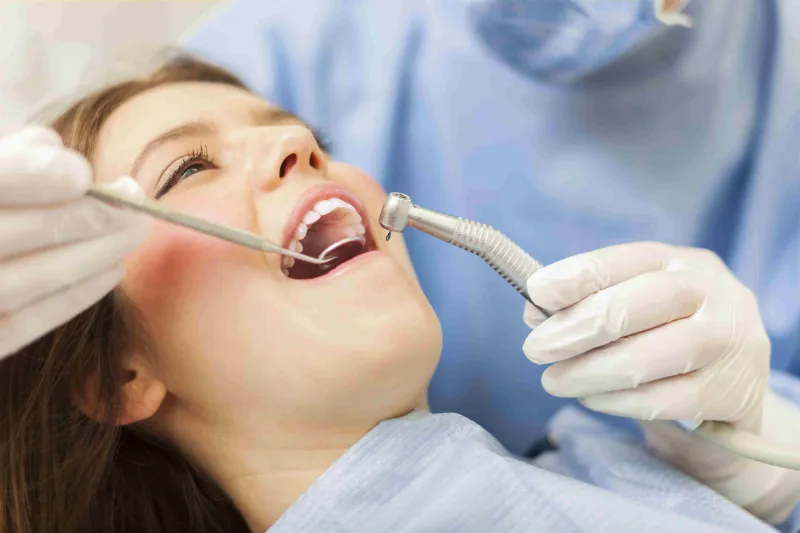
Dental tartar cleaning is the removal of hardened bacterial plaque (tartar) accumulated on the teeth and along the gum margins using specialized instruments.
Tartar that cannot be removed by daily brushing and flossing generally concentrates in areas close to the gum line, particularly on the back teeth where brushing is insufficient and in the spaces between teeth. Through dental tartar cleaning, these hard deposits are removed and the tooth surface is smoothed. This results in a cleaner appearance and healthier gum tissue in the mouth.
Tartar harbors bacteria and toxins, paving the way for redness, bleeding, swelling, and eventually gum recession. For this reason, dental tartar cleaning is extremely important for the prevention of gum disease and the reduction of existing sensitivity.
Fill out the form to get information.
How Is Dental Tartar Cleaning Done?
In dental tartar cleaning, the tartar accumulated on the teeth is professionally removed with the help of specialized instruments. Since home care cannot eliminate these hard deposits, the cleaning must be performed by a dentist without fail.
The dentist first thoroughly examines the inside of the mouth to assess the density of the tartar and the condition of the gums. The most common method for tartar cleaning is the use of a vibrating ultrasonic device. This method breaks the tartar into micro-fragments, simultaneously cleans the area by spraying water, and removes the tartar without damaging the tooth surface.
Narrow areas, interdental spaces, and the gum line that the ultrasonic device cannot reach are carefully cleaned with special hand instruments (curettes). This ensures that even the smallest tartar residues are removed. After cleaning, the tooth surface may remain slightly rough. These rough spots are eliminated through a polishing procedure.
At the end of the procedure, the dentist re-examines the gums and tooth surfaces. Personalized recommendations regarding the patient's oral care routine are provided. If necessary, information is given about brushing technique and dental floss use.
What Are The Benefits Of Dental Tartar Cleaning?
Regular dental tartar cleaning both keeps existing gum complaints under control and prevents more serious problems that may arise in the future. The main benefits are as follows:
- It ensures the prevention of gum disease.
- It eliminates bad breath (halitosis).
- It reduces gum bleeding and sensitivity.
- It makes teeth appear cleaner and more aesthetic.
- It reduces the risk of tooth decay.
- It prevents gum recession and bone loss.
- Daily brushing and flossing become more effective.
- It contributes to general health by reducing the inflammatory burden in the mouth.
Are There Any Harms Of Dental Tartar Cleaning?
Dental tartar cleaning is an extremely safe procedure for oral health when performed using correct techniques by a specialist dentist. A professionally applied dental tartar cleaning does not harm the teeth or gums; on the contrary, it is an important care step that protects health.
Mild sensitivity or a stinging sensation may be felt in the mouth after the procedure. The reasons for this are:
- The sudden exposure of the surface previously covered by tartar,
- The clearance of inflammation in the gums,
- The re-exposure of root surfaces to air and cold.
This condition generally resolves on its own within a few days and does not cause a permanent problem.
How Should Post-Tartar Cleaning Care Be?
Post-tartar cleaning care, when applied correctly, both helps the gums heal quickly and significantly reduces the formation of new plaque and tartar. There are some points to pay attention to after the procedure, these are:
- Excessively hot and cold foods and beverages should be avoided for the first 24 hours. Acidic drinks and very hard foods should not be consumed.
- Teeth should be brushed at least twice a day with a soft-bristled brush.
- Dental floss or an interdental brush should be used.
- Dental cleaning should be supported with antiseptic mouthwash.
- Attention should also be paid to diet during the post-cleaning period.
- Some patients may experience cold-heat sensitivity lasting a few days. In this case, very cold beverages can be limited and desensitizing toothpastes can be used.
Tartar formation varies from person to person. For this reason, a regular checkup every 6 months, and if necessary, professional cleaning once or twice a year, is recommended.
Frequently Asked Questions About Dental Tartar Cleaning
Is Getting Tartar Cleaned Healthy?
Yes. Professional cleaning prevents gum disease and maintains oral health.
Does Tartar Cleaning Cause Tooth Loss?
No, tartar cleaning does not cause tooth loss. On the contrary, if tartar is not cleaned for a long time, it can cause gum and bone loss, leading to tooth loss. Cleaning ensures the protection of the teeth.
Does Tartar Cause Bad Breath?
Yes. Tartar has a structure conducive to bacterial adhesion, and these bacteria cause bad breath. Bad breath decreases noticeably after cleaning.
Are The Gaps That Form After Tartar Cleaning Normal?
Yes. Those gaps are not the teeth opening up, but rather the removal of the tartar that was filling the space.
Does Tartar Cleaning Open Up The Spaces Between Teeth?
After tartar cleaning, some patients may think that the spaces between their teeth have widened. In fact, what has opened up is not the teeth but the tartar that was filling the gaps. When the tartar is cleaned, the actual tooth spacing becomes visible.
Is Anesthesia Applied In Tartar Cleaning?
Anesthesia is generally not required because the procedure is not painful. However, if gum inflammation is very intense or the patient is extremely sensitive, local anesthesia can be applied.
Is There Bleeding Or Stinging In The Gums?
If there is pre-existing inflammation or sensitivity in the gums, mild bleeding may occur during cleaning. This is also an indication that gum health is beginning to recover. Bleeding decreases after regular cleaning.
Is There Pain After Tartar Cleaning?
Mild sensitivity is generally observed. This sensitivity passes on its own within a few days and does not cause a permanent problem.
How Should One Eat After Tartar Cleaning?
Excessively hot and cold foods, acidic beverages, and hard foods should be avoided for the first 24 hours. Soft and warm foods should be preferred
How Long Does Tartar Cleaning Take?
It is completed in 30–40 minutes depending on the density of the tartar. In patients with heavy tartar accumulation, the duration may be slightly longer.
What Happens If Tartar Is Not Cleaned?
Inflammation, bleeding, recession, bone loss, and in advanced stages tooth loss may occur in the gums. Bad breath and aesthetic problems also increase.
What Should Be Done Before Tartar Cleaning?
No special preparation is required. Brushing the teeth before the procedure is sufficient. It is sufficient to inform the dentist about any existing sensitivity, medication use, or health condition.
Creation Date:22.04.2026
Update Date:22.04.2026
Created by:Medipol Health Group Web Editorial Board