Heart Rhythm Disorder (Arrhythmia) Symptoms and Treatment
Arrhythmia is a rhythm disorder that occurs due to a problem in the heart’s electrical conduction system.

Heart Valve Diseases: Symptoms, Causes, and Treatment
Heart valve diseases present with symptoms such as shortness of breath, palpitations, and fatigue. With early diagnosis, they can be treated with medication, interventional procedures, or surgery.
What are EVAR and TEVAR Methods? Treatment of Aortic Aneurysms
EVAR and TEVAR are modern vascular repair techniques that treat aortic aneurysms with a minimally invasive method using stent grafts.

What is Electrophysiological Study (EPS) and in what situations is it applied?
Electrophysiological Study (EPS) is a diagnostic and interventional cardiology procedure performed to detect rhythm disorders in the heart.
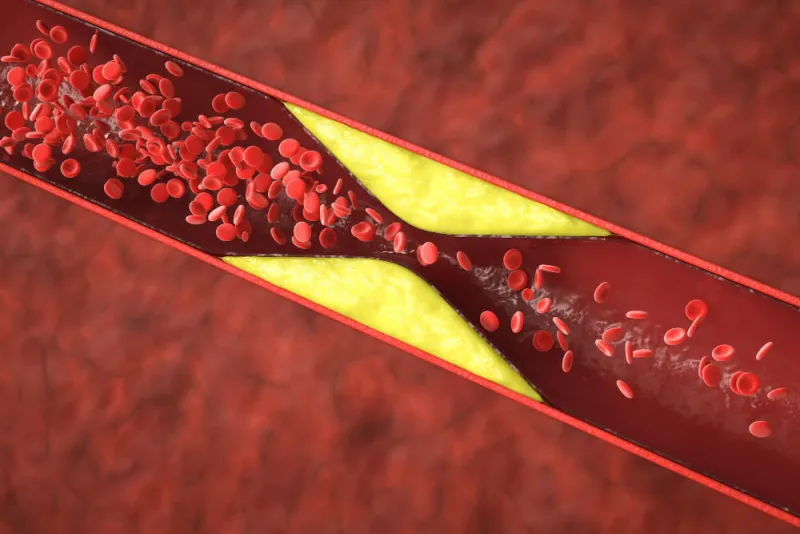
What Is Hyperlipidemia (High Cholesterol) and What Are Its Symptoms?
Hyperlipidemia is the condition in which the level of fats in the blood is higher than normal and can be diagnosed with a blood test.
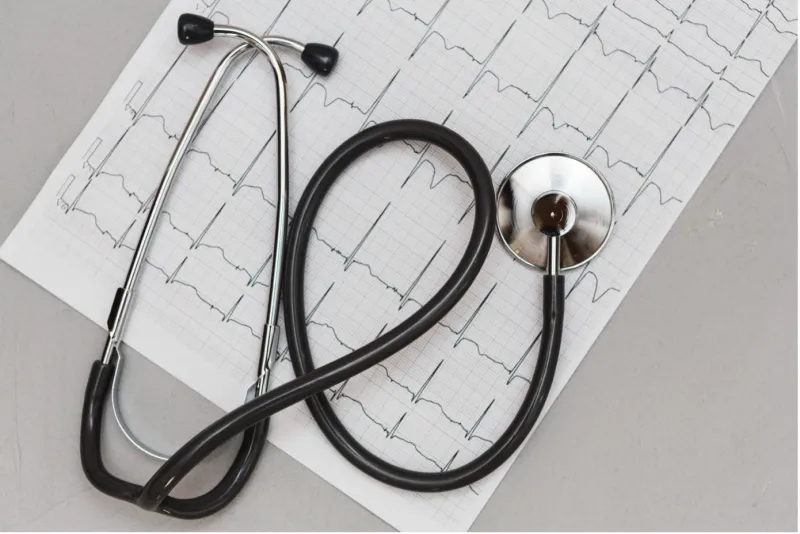
What Is Transthoracic Echocardiography (TTE) and How Is It Performed?
Transthoracic echocardiography is a painless diagnostic method that provides imaging with sound waves to evaluate the structure and function of the heart.
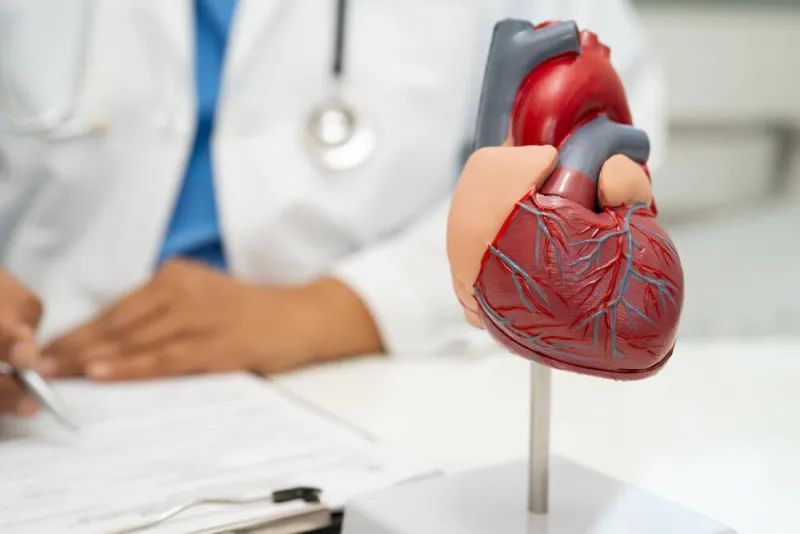
Transesophageal Echocardiography (TEE): What It Is and When It Is Used
Transesophageal Echocardiography (TEE) is a type of cardiac ultrasound in which the structure of the heart is examined using an ultrasound probe inserted into the esophagus.

What Is High Blood Pressure (Hypertension)? Symptoms and Treatment Methods
Hypertension is the persistent elevation of blood pressure in the arteries and can be controlled with certain lifestyle changes and medication.