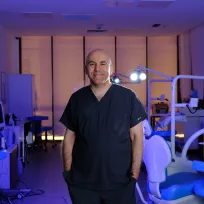
The word periodontology is derived from the Greek words peri (surrounding) and odont (tooth), and means 'surrounding the teeth'. Dentists who specialize in this area are called periodontists or gum specialists. A periodontist specializes in the treatment of a wide spectrum of diseases affecting the gum tissues in the mouth.
What is Periodontology?
Periodontology is the branch of dentistry that studies the health of the soft (gums) and hard tissues (jawbone) surrounding and supporting the teeth, and deals with the diagnosis and treatment of diseases occurring in these tissues. Its primary goal is to preserve the natural tooth structure and prevent inflammatory problems that can lead to tooth loss. Dental health is not just about having decay-free teeth; the health of the tissues that hold and support the teeth is directly related to general body health. Periodontology forms the basis of oral hygiene; it is the branch that provides solutions to problems such as gum recession, bone loss, and chronic gum inflammation.
You can fill out the form below to get information.
What does periodontology deal with?
Periodontology focuses on the health of the supporting tissues that anchor the tooth in the mouth, rather than the tooth itself. The tissues and structures examined in the periodontics department are as follows:
- Gums (Gingiva): It is the pink, soft tissue that surrounds the neck of the teeth.
- Alveolar bone: It is the jawbone structure into which the tooth roots are embedded.
- Cement: It is the layer that covers the root surface of the tooth and provides tissue attachment.
- Periodontal ligaments: These are flexible fibers that provide the connection between teeth and bone.
What Diseases Does Periodontology Treat?
Gum diseases are generally infections that progress insidiously and are painless. The main diseases diagnosed and treated by periodontology are:
Gingivitis (Early Stage Gum Inflammation)
This is the mildest form of gum disease. It is characterized by redness, swelling, and bleeding of the gums during brushing. With the right intervention, this condition is completely reversible.
Periodontitis (Advanced Gum Disease)
This is a condition where inflammation spreads from the gums to the bone. Spaces called pockets form between the teeth and gums, and bacteria accumulate in these areas. If left untreated, the surrounding bone tissue begins to erode.
Gum Recession
Dental plaque is the retraction of the gum tissue downwards from the root surface due to incorrect brushing techniques, genetic factors, or tartar buildup. This can lead to tooth sensitivity and aesthetic problems.
Gum Growths
It is the excessive increase in volume of the gums due to medication use, hormonal changes (puberty, pregnancy), or genetic conditions.
What are the causes of gum disease?
The primary cause of gum disease is microbial dental plaque, a sticky layer that builds up on tooth surfaces and harbors millions of bacteria. However, this is not the only reason; other factors that accelerate the development of gum disease are as follows:
- Poor oral hygiene: If you don't brush your teeth regularly and use dental floss, plaque hardens and turns into tartar.
- Genetic factors: Some individuals are more prone to gum disease due to a family history of the condition.
- Smoking and tobacco use: It impairs blood flow to the tissues, delaying healing and accelerating bone breakdown.
- Hormonal changes: Gums can become more sensitive during pregnancy, menopause, or puberty.
- Systemic diseases: Uncontrolled diabetes, in particular, directly and negatively affects gum health.
What are the symptoms of gum disease?
Because gum diseases are often painless, patients may not notice the condition for long. Symptoms of gum disease include:
- Gum bleeding: Gum bleeding, whether during brushing or spontaneously, is the most obvious warning sign.
- Color changes: Instead of a healthy rose color, the gums may develop a bright red or purplish appearance.
- Bad breath: Bad breath (halitosis) develops due to bacterial activity.
- Loose teeth: Teeth begin to move as the supporting bone tissue is lost.
- Swollen gums: Swelling, sensitivity, and tenderness upon touch may develop in the gums.
- Teeth appearing longer: Gum recession causes the root surface to be exposed, making the teeth appear longer than they are.
What are the Periodontology Treatment Methods?
In periodontology, the treatment process is planned individually according to the stage of the disease and the severity of tissue destruction. Periodontology treatment methods are as follows:
Professional Dental Cleaning (Detartration)
This is a procedure where plaque and tartar are removed from the surface of teeth by a dentist using specialized ultrasonic devices. It is the first and most important step in treatment.
Root Surface Smoothing (Curettage)
This procedure involves reaching deep into the gum pocket and scraping away inflamed tissues and deep tartar deposits that are attached to the root surface. This procedure is performed under local anesthesia.
Flap Surgery (Surgical Treatment)
In advanced cases, this involves surgically opening the gum to clean deep pockets and apply grafting (bone powder) to areas where bone loss has occurred.
Gingivectomy and Gingivoplasty
These are minor surgical procedures performed to correct gum deformities or to provide an aesthetically pleasing smile.
What precautions should be taken before and after periodontological treatment?
The success of periodontological treatment is directly linked to the post-operative care process. Here are some points that patients should pay attention to during this process:
- All medications being taken (especially blood thinners) and systemic illnesses should be reported to the dentist before treatment.
- Maximum attention should be paid to oral hygiene before the procedure.
- Very hot or very cold foods should be avoided for the first 24 hours after the procedure.
- The special toothbrushes and interdental brushes recommended by the dentist after the procedure should be used regularly.
- Smoking should be avoided for at least one week after the procedure, as it severely impairs tissue healing.
- Food should not be consumed until the effect of the local anesthetic wears off (approximately 2-3 hours).
Frequently Asked Questions about Periodontology
Is Gum Bleeding Normal?
No, healthy gums never bleed; bleeding is always a sign of inflammation.
Does getting dental tartar removed harm teeth?
No, professional tartar removal using specialized tools does not damage tooth enamel; on the contrary, it prevents tooth loss.
Does Gum Disease Affect Heart Health?
Yes, it is known that chronic infections and bacteria in the mouth can reach the heart through the bloodstream, increasing the risk of cardiovascular disease.
Do you need loose teeth to see a periodontist?
No, the disease may have reached its final stage when teeth start to loosen; a periodontist examination is necessary if bleeding or bad breath is noticed.
Is gum treatment possible during pregnancy?
Yes, gum inflammation (pregnancy gingivitis) is common during pregnancy and can be treated under the supervision of a doctor.
Can gum recession reverse?
Non-surgical methods cannot restore the gum tissue to its original position, but surgical procedures (gum grafting) can close the receding area.
Can dental implants cause gum disease?
Yes, a condition called peri-implantitis can erode the bone and gum tissue around an implant, potentially leading to implant loss.
Does gum surgery hurt?
No, all periodontal surgical procedures are performed under local anesthesia, so no pain is felt during the operation.
Can tartar reappear after treatment?
If regular brushing and interdental cleaning are not performed, plaque, combined with minerals in saliva, can reform to form tartar.
How many sessions does periodontal treatment take?
Depending on the severity of the disease, a simple cleaning may take 1 session, while deep curettage and operations may require between 2-4 sessions.